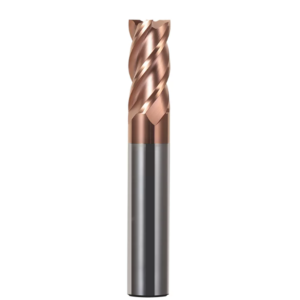
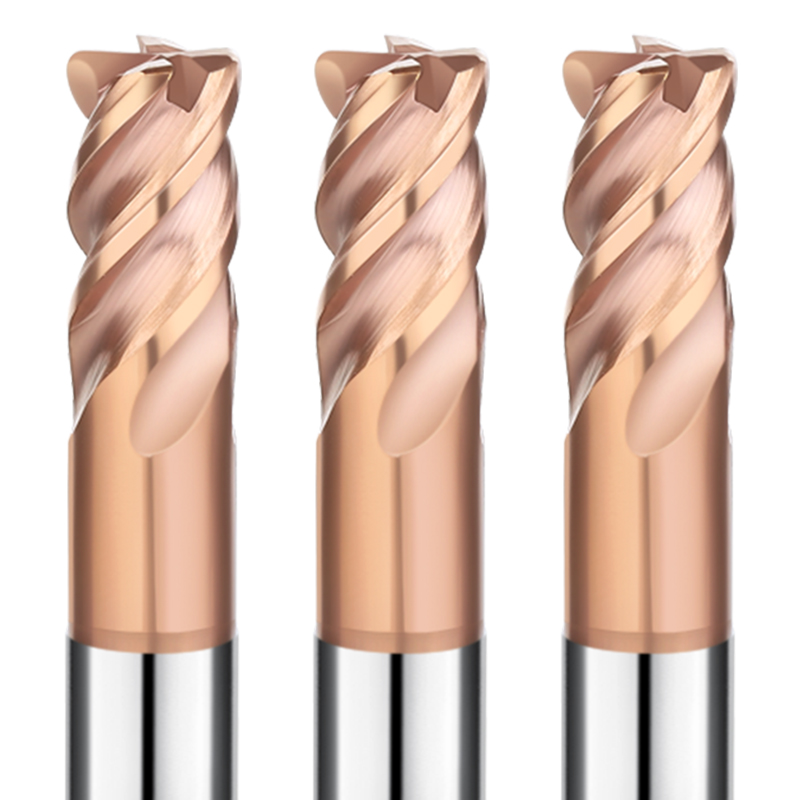
Recently, I was providing technical support to a long-standing North American mold manufacturer. Their Chief Engineer shared a major frustration: even with the most expensive cutters on the market, they were seeing frequent tool-tip chipping. He described the edges as looking like “chewed-up biscuits” while machining heat-treated D2 mold steel (HRC 62–65).
This isn’t just a local issue. Over my sixteen years in the industry, this has been the single most common bottleneck in hard milling.
In the mold and die sector—especially with ultra-hard materials—the HRC65 end mill is no longer just a consumable. It is the deciding factor in the success or failure of your entire process chain. Many shops try to force standard cutting parameters into high-speed machining centers to save time. The result? Constant tool changes, expensive downtime, and terrible surface finishes. As a specialized end mill supplier, we solve these problems by focusing on the carbide substrate’s microstructure and advanced edge-strengthening processes.
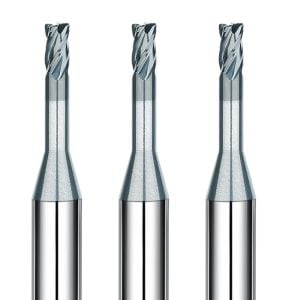
Simply increasing hardness isn’t enough to create the best end mill for hardened steel. Through real-world testing, we’ve found that success requires a specific formula: an ultra-micro-grain carbide substrate paired with a nanoscale anti-oxidation coating. When you add a variable-helix design, you can finally suppress high-frequency chatter.
For any carbide end mill for hardened steel, performance in 60+ HRC materials comes down to two things: thermal stability and residual stress management. If we ignore the balance between tool run-out and feed per tooth (Fz), even the most expensive machine is a wasted investment. No one wants to hear a tool chip during the final 5% of a finish pass on a $50,000 mold cavity.
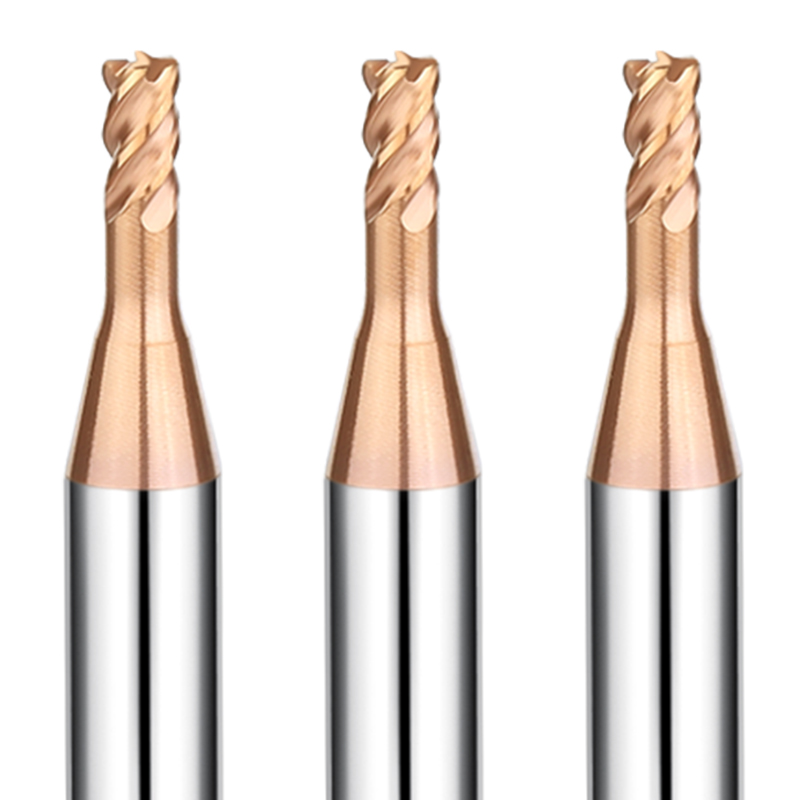
End Mills for Hardened Steel in High-Precision Die and Mold Machining
In precision mold making, we don’t just shape metal; we challenge its physical limits. When you are staring down a mold core heat-treated to HRC 60+, choosing the right end mills for hardened steel is the only way to hold your tolerances.
I remember a project for automotive headlight molds involving deep cavities and narrow slots. Without extreme tool rigidity, the cutters would have deflected. Even a tiny amount of deflection creates gaps along the mold’s parting lines, ruining the final product.
In high-value mold steel machining, there is zero margin for error. You cannot just flip to a catalog page and trust the “recommended parameters.” You must fine-tune your approach based on the machine’s dynamic rigidity, spindle thermal expansion, and your clamping setup. We’ve found that maintaining a constant cutting-edge load is much more effective than chasing the highest material removal rate. This is especially true for thin-walled components or parts prone to vibration.
Real-world Performance of Carbide End Mills for Hardened Steel
The true test of a carbide end mill for hardened steel isn’t how it performs in the first five minutes. It’s how the edge looks after four hours of continuous cutting. In our shop tests, we’ve found that fine-grain carbide offers the best resistance to edge chipping.
When machining H13 die-casting molds, cheap tools often suffer from coating delamination within minutes due to friction-induced heat. In contrast, a high-quality tool keeps its edge sharp. You can see the difference in the chips—they should have a healthy, deep-blue color.
We also watch the spindle load meter closely. As a tool wears, cutting forces become highly sensitive. If the load meter starts to fluctuate or the cutting sound changes from a crisp “hiss” to a dull hum, your coating has reached its limit. This confirms that the coating is more than a heat barrier; it is armor that prevents the substrate from deforming, especially during dry cutting.
Selecting the Best End Mill for Hardened Steel Based on Job Experience
There is no “most expensive is best” rule in this industry. The best end mill for hardened steel is the one that fits your specific process. For example, when “picking” or cleaning corners, we always favor a tool with a small corner radius over a sharp 90-degree corner. That slight radius reduces stress concentration and cuts the risk of micro-chipping by over 40%.
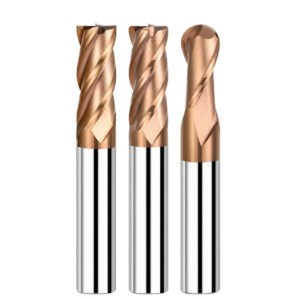
We also choose our flute count based on chip evacuation. For deep-slot side milling, a 4-flute tool provides the gullet space needed to prevent heat buildup. However, for shallow finish passes on contoured surfaces, we recommend a ball-nose cutter with 6 or more flutes. In hard materials, the goal is to maximize cutting-edge contacts per minute. This allows you to achieve a mirror-like finish even with a very low feed rate.
Handling HRC65 End Mills in Long-Cycle Mold Production
Working with steels like D2 or SKD11 at HRC 65 is like dancing on a razor’s edge. Even a tiny vibration can lead to a catastrophic fail. In long-cycle production, you must control tool radial run-out religiously. If your tool holder is off by more than 0.005 mm, your hrc65 end mill life will be cut in half. One edge will take the entire load, triggering a chain reaction of damage.
One pro tip from our experience: use predictive tool replacement. Don’t wait for the tool to snap. Monitor the torque and surface finish to establish a “safe distance” threshold for tool life. We also find that air cooling is much more stable than oil mist for these materials. Uniform temperature control prevents thermal cracks caused by the “yo-yo” effect of expansion and contraction, ensuring every mold in the batch is identical.
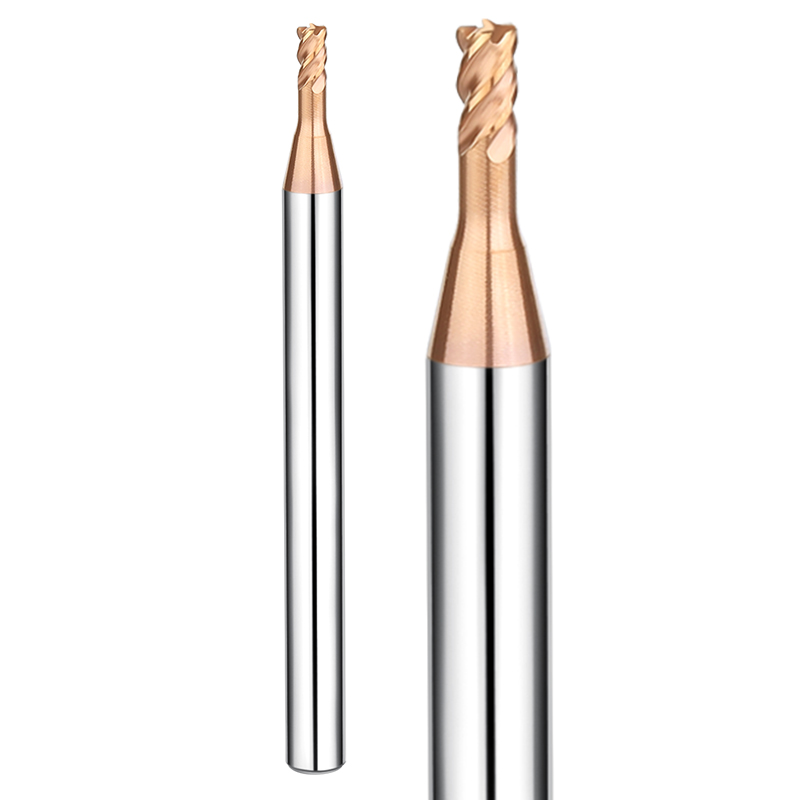
Challenges We Face with Hard Steel and How HRC65 End Mills Solve Them
In our workshops, machining quenched steel over HRC 60 is never easy. The biggest headache is heat accumulation. When cutting high-hardness materials, heat doesn’t dissipate through the chips; instead, it flows back into the tool. This causes standard carbide to soften and fail almost instantly. We once tried conventional tools on a batch of high-hardness mold sliders. Even after dropping the cutting speed, the tools essentially annealed themselves. That failure is what drove us to find more heat-resistant hrc65 end mills.
The design of an ultra-high-hardness cutter is a delicate balance between “red hardness” (heat resistance) and impact toughness. By using specialized silicon-based or multi-layer nanocomposite coatings, we create a protective film that shields the substrate from extreme temperatures. This allows us to rough and finish directly on hardened workpieces. It eliminates the need for EDM repairs or secondary heat treatment, solving the “hard bones” of the industry—those impossible-to-cut jobs that eat up shop time.
Dealing with Tool Wear and Chipping in Carbide End Mills for Hardened Steel
Tool chipping is the most common technical hurdle we solve for our North American clients. When using a carbide end mill for hardened steel on cavities with interrupted cuts, the impact loads are brutal. We’ve found that chipping usually isn’t caused by high feed rates, but by micro-cracks from vibration. We always tell our clients to check the tool overhang. Maintain the “golden ratio”—keep your overhang within 3x the tool diameter—to maximize rigidity.
For wear management, we watch the chip color. If your chips shift from pale yellow to dark purple, or if you see sparks, your tool is reaching its fatigue limit. We enforce a mandatory tool change once we see 0.1 mm of flank wear. Beyond that threshold, cutting forces increase exponentially. You aren’t just risking a broken tool; the excessive thermal stress can actually cause micro-cracking on the surface of an expensive mold.
Maintaining Consistent Surface Finish Using End Mills for Hardened Steel
Maintaining a consistent finish over a 10-hour run is the ultimate test of an engineer’s skill. When “sweeping” a surface with end mills for hardened steel, we never change tools mid-process. Even tiny differences in diameter or mounting errors between the old and new tool will leave “blend lines” on the mold. We prefer a constant surface speed (Vc) and a very small lateral stepover. This replaces aggressive cutting with high-frequency, light-contact skimming.
To get a near-mirror finish, check your tool holder’s dynamic balance. At 20,000 RPM, even microscopic runout will leave chatter marks. We recommend end mills with a negative rake angle. While this increases cutting resistance slightly, it provides much better support for the cutting edge. This prevents the tool from “giving” during repetitive friction on hard surfaces, ensuring your Ra (roughness) stays consistent from the first pass to the last.
Reducing Cycle Time with Proper HRC65 End Mill Selection
Many shop owners think hard steel requires a slow, “safe” pace. We’ve proven that the right hrc65 end mill can actually cut cycle times by over 30%. I remember a project for hardened stamping dies where the client was taking 12 hours per cavity using a conservative strategy. We switched them to a High-Feed Milling (HFM) strategy. By using a shallow depth of cut and a high feed per tooth, we significantly increased the metal removal rate.
This works because of the “Chip Thinning” effect. If your machine has a high dynamic response, you can push feed speeds to the limit without burning the edges. Compressing cycle time isn’t just about speed; it’s about cost competitiveness. By optimizing paths and using specialized high-hardness tools, we dropped that 12-hour process to under 8 hours with only a minor increase in tool costs.
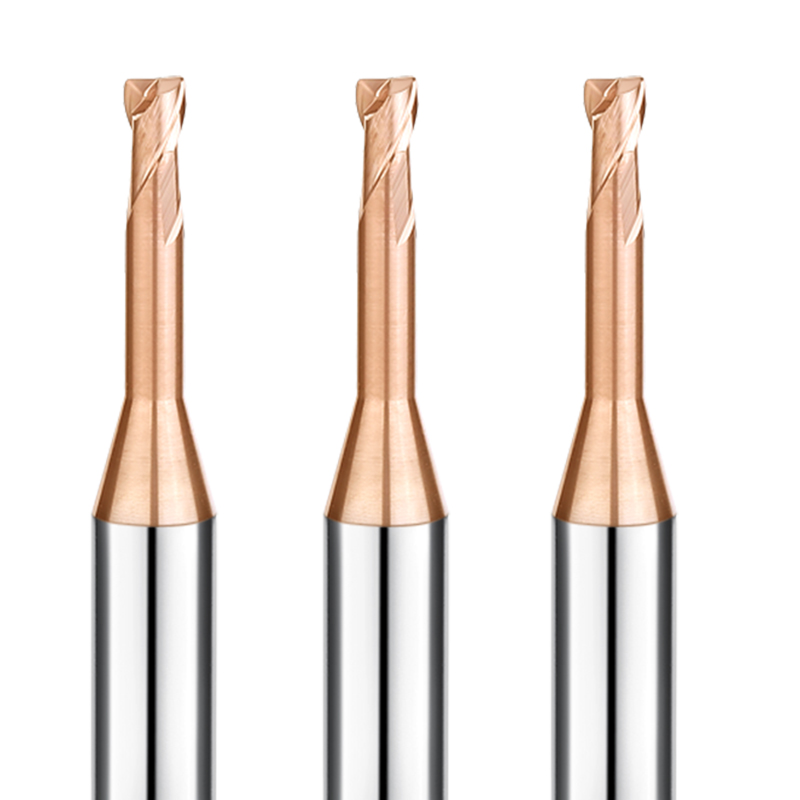
Working with a Reliable End Mill Supplier for the Die and Mold Industry
In the high-pressure world of mold making, every minute of downtime is a hit to the bottom line. Choosing an end mill supplier is more than a transaction; it’s finding a partner who understands the stakes. When you’re working on a $40,000 mold core, you aren’t just buying a tool—you’re buying an insurance policy for your process. We’ve learned the hard way that batch inconsistencies lead to tool breakage during unattended night shifts. A supplier’s technical depth defines your safety margin.
The ideal partner isn’t a salesperson with a glossy catalog; it’s a technically-driven team that understands work hardening and coating science. Our most successful projects happen when the supplier offers on-site support and knows materials like NAK80 or S136 inside and out. That level of expertise is what allows us to bid on complex, high-hardness orders with confidence.
Criteria We Use to Evaluate End Mill Suppliers for Hardened Steel Applications
When evaluating a supplier for end mills for hardened steel, we use “survival criteria.” First, we don’t look at brochures; we look at factory inspection records for radial run-out. In hard milling, if one tool in five has run-out over 0.005 mm, it’s a ticking time bomb. We also demand a robust quality traceability system. We need to know that the tools we buy today perform exactly like the ones we bought last year.
We also value a supplier’s “technical reserves.” Can they recommend shrink-fit holders or damping technologies to improve precision? A truly qualified supplier should be able to modify tool geometries for specific challenges, like clearance machining on thin-walled molds. This in-depth support is our core requirement for any long-term partnership.
Case Study: Supplier Support in Solving Unexpected Machining Issues
We once had a project for an automotive client involving specialized hardened steel that caused severe material welding (adhesion) and abnormal wear. Even with top-tier carbide end mills for hardened steel, tool life was 50% lower than expected. Our supplier didn’t point fingers; they showed up with an electron microscope to analyze the wear morphology. They discovered our MQL (minimum quantity lubrication) pressure was too low, causing chips to be recut in deep grooves.
They recommended a switch to high-pressure air cooling and fine-tuned the honing parameters of the tool edges. This rapid, data-driven response turned the job around in less than 24 hours. This is why we value suppliers who stay late in the shop with our engineers to fine-tune programs. That partnership is worth far more than a slight discount from a price-focused distributor.
Optimizing Tool Inventory: Managing Carbide End Mills for Hardened Steel
Managing high-value consumables like the hrc65 end mill is an art. Stock too many, and you tie up capital; stock too few, and one broken tool derails a delivery. We use “quota-based management.” We pre-calculate tool consumption for each project based on material removal volume. This proactive approach eliminates the stress of shortages during peak seasons.
We also look at residual value. For tools with minor wear, we classify them by their regrinding margin. These can be professionally reground and recoated, then “cascaded” down for roughing softer materials or machining non-critical dimensions. This tiered strategy slashes tooling costs and teaches operators to respect precision tools. It ensures every high-performance mill delivers maximum value until the very end of its life.
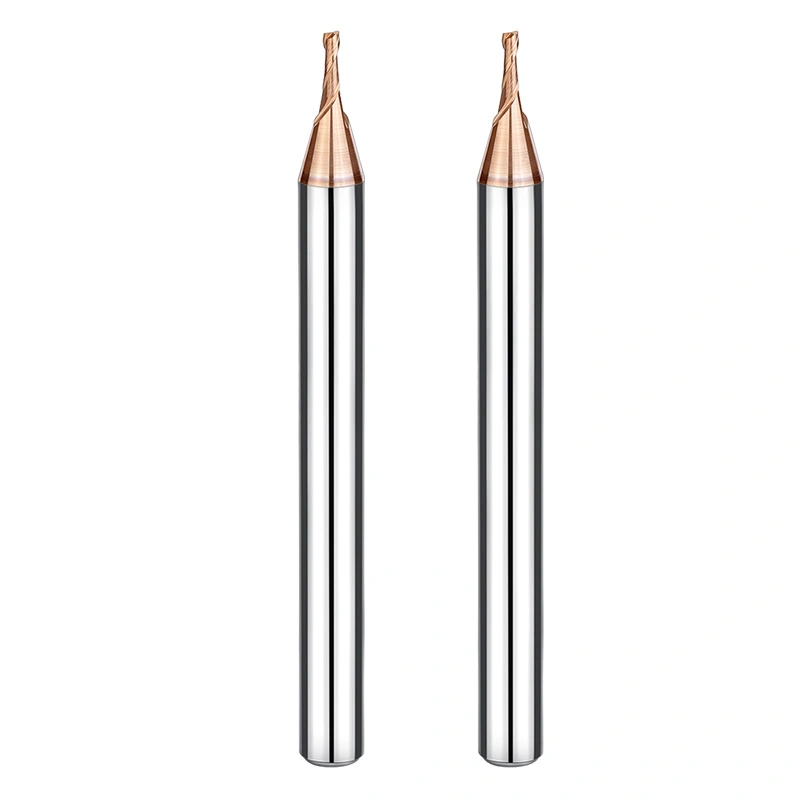
Lessons Learned from Die and Mold Projects Using HRC65 End Mills
After years of hands-on experience, our most profound realization is this: high-hardness machining is about mastery of detail, not brute force. When we tackle complex projects over HRC 60, the performance of the hrc65 end mill is just the final result. The “soul” of the operation is the preliminary planning. Most failed projects aren’t due to poor tool quality; they fail because the operator overlooked the coordination between system rigidity and the cutting path. If you are facing tight deadlines and extremely hard materials, retrace your steps—did you program enough space for a smooth, gradual tool entry and exit?
We view every high-performance cutter as a precision sensor. By analyzing the surface textures left behind, we can deduce exactly what forces acted on the tool. In hard milling, success hinges on heat control. If your parameters ensure that 80% of the heat leaves with the chips rather than staying in the workpiece, you’ve mastered the core logic. This requires constant review. We transform every broken edge into a data point in our process knowledge base.
Common Mistakes We Avoid When Using End Mills for Hardened Steel Applications
In the shop, we see many peers fall into the same pitfalls with end mills for hardened steel. The most common error is excessive speed leading to thermal fatigue. Many operators try to use a “soft material” mindset, but in hard steel, the coating will oxidize and flake off in minutes. If you are cleaning deep corners, check your cooling strategy. Unstable flood cooling is often worse than dry machining because the violent thermal cycling creates micro-cracks in the carbide substrate.
Another mistake is ignoring “stock uniformity.” If the machining allowance from the previous op fluctuates, the tool hits a sudden load surge in the corners. This is catastrophic for brittle, high-hardness tools. If you see chipping in the same spot every time, re-evaluate your semi-finishing toolpaths. We prefer using smaller-diameter tools for multiple corner-clearing passes. This ensures the finisher operates under a constant load. Taking one step back to move forward significantly enhances your machining safety.
Best Practices for High-Volume Mold Production Using HRC65 End Mills
In high-volume production, stability beats single-part efficiency every time. Our core principle for the hrc65 end mill is parameter standardization. When machining hundreds of hardened sliders, we keep rigorous tool life records. If you manage multiple machining centers, consider a tool load monitoring system. Set the alarm threshold just below the failure point. This preventive management mitigates 90% of batch scrap risks and keeps your dimensional consistency within the micron range.
We also advocate for an “integrated balance” between the holder and the tool. For the best surface finish and tool life, use shrink-fit or hydraulic holders. In our workshop, we perform dynamic balancing checks on every assembly for high-speed hard milling. This upfront investment might seem tedious, but it saves thousands in the long run by reducing tool changes and boosting your first-pass yield.
Integrating Feedback from End Mill Suppliers into Process Improvement
Working in isolation is a cardinal sin for engineers. Integrating failure analysis from an end mill supplier is a shortcut to technical breakthroughs. When a supplier uses specialized gear to show us that chipping was caused by a mismatch in “edge honing,” it’s an opportunity to optimize our internal guidelines. If you see inexplicable fluctuations in tool life with a new material, document your parameters and keep the worn tools for a benchmarking session with your supplier.
This feedback isn’t just for fixing problems; it’s for proactive improvement. If you are starting a new project and have concerns about heat-treat distortion or machinability, talk to us. A minor adjustment to tool geometry—like fine-tuning the helix angle or modifying the end-cut structure—can solve challenges that have plagued your shop for years. We welcome these technical exchanges. Every discussion based on real-world conditions brings us all closer to the edge of what’s possible in machining.