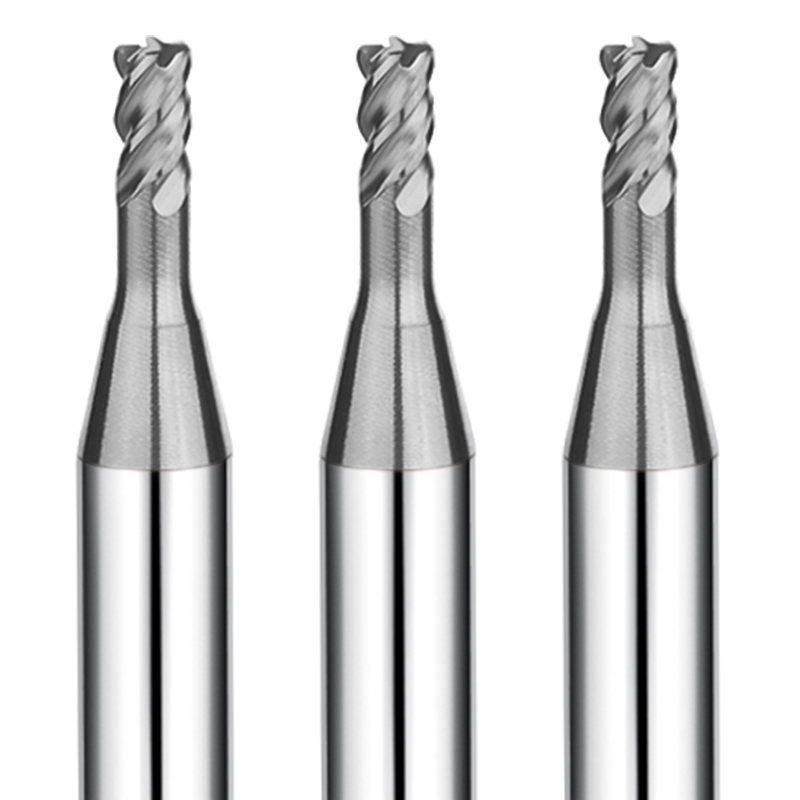
Ultra-Low Friction and Diamond-Like Hardness for Superior Machining
Product Overview
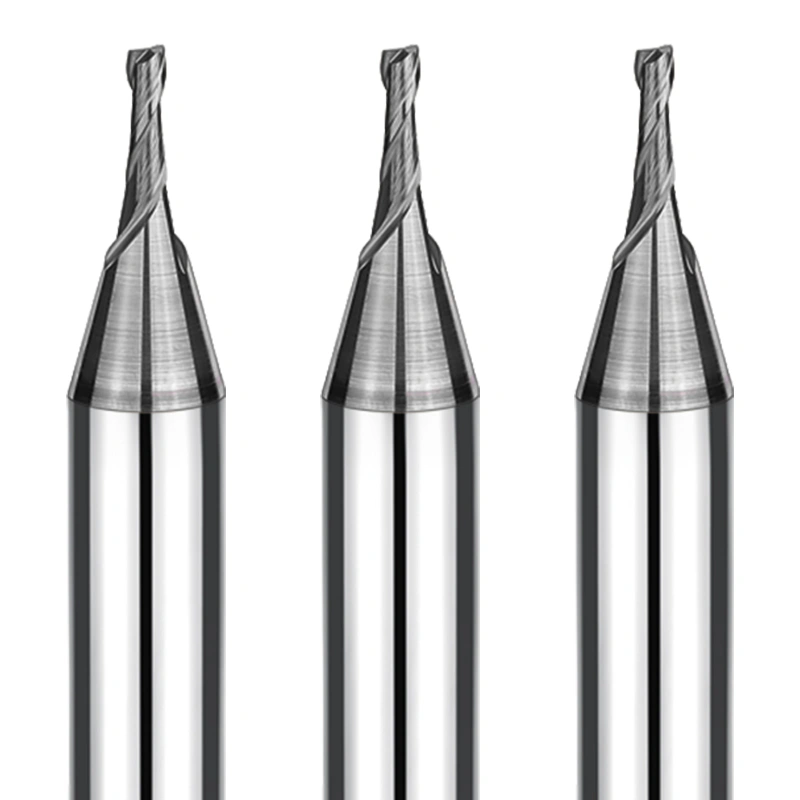
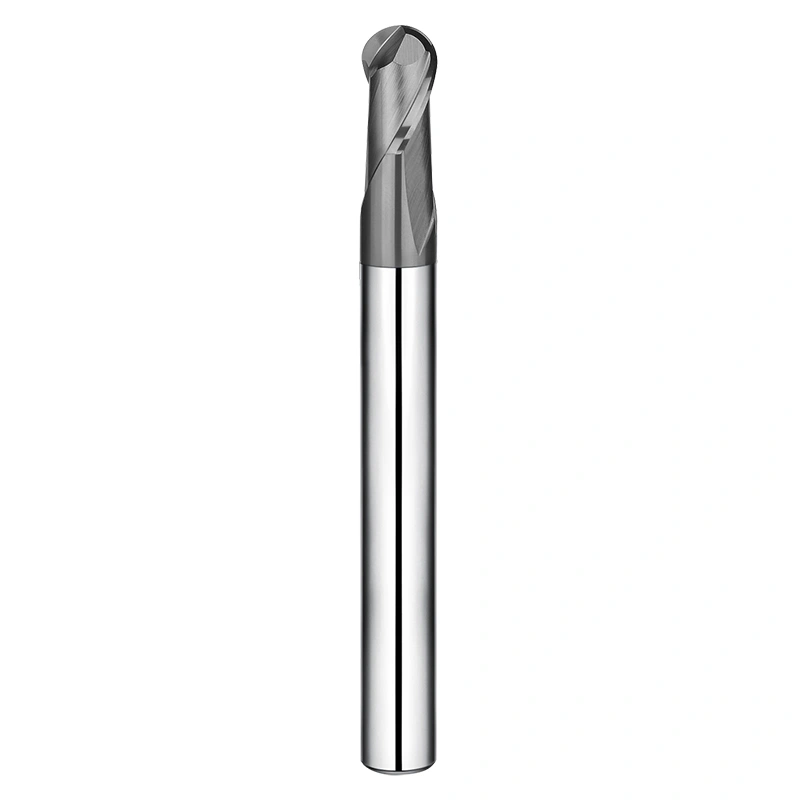
SAMHO’s DLC (Diamond-Like Carbon) coated end mills are specifically engineered to overcome the challenges of machining high-viscosity non-ferrous metals, particularly Red Copper and Brass. By applying a dense, stable diamond-like carbon film, these tools achieve a surface hardness approaching that of natural diamond while maintaining an extremely low friction coefficient. This combination prevents material adhesion (built-up edge), ensures rapid chip evacuation, and delivers a mirror-like surface finish on ductile materials.
Core Technical Features
Ultra-High Hardness DLC Coating
Exceptional Wear Resistance: The DLC coating provides extreme surface hardness, significantly protecting the cutting edges against the abrasive nature of copper alloys. This prevents premature rounding of the edge, extending tool life and reducing overall tooling costs in high-volume production.
Extremely Low Friction Coefficient
Reduced Heat & Smoother Cutting: Copper has high thermal conductivity and ductility, often leading to material “gumming” or sticking to the tool. The ultra-smooth DLC surface minimizes friction between the flute and the workpiece, drastically reducing heat buildup and preventing the formation of burrs.
High Helix Angle & Sharp Geometry
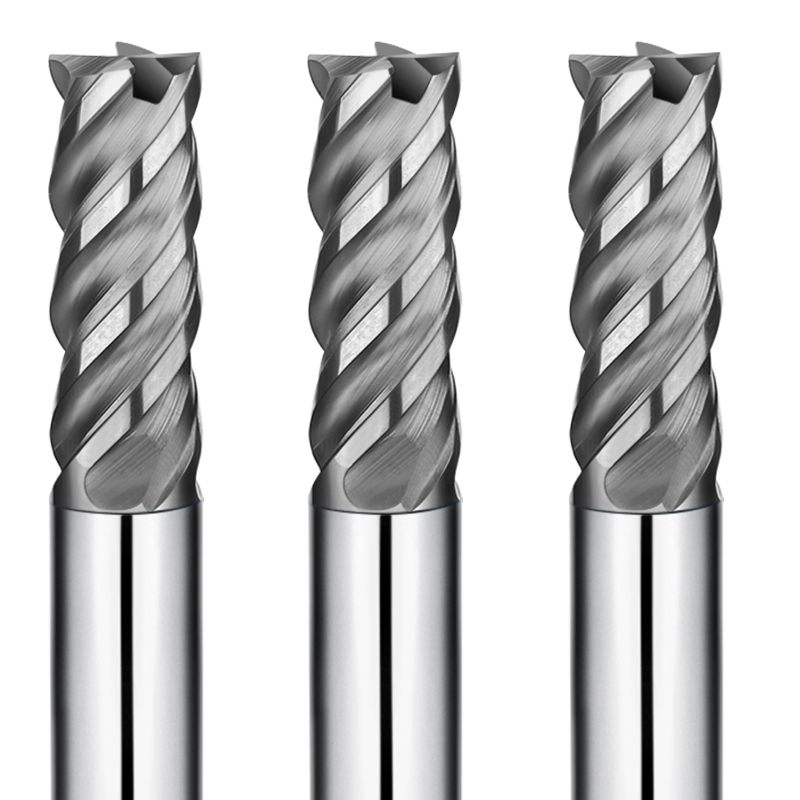
Optimized Chip Evacuation: Designed with a large helix angle and micro-polished sharp edges, these cutters are built to slice through soft, “sticky” metals cleanly. The geometry ensures that long, continuous copper chips are evacuated quickly from the cutting zone, maintaining machining stability.
Enhanced Corrosion Resistance
Reliable Performance in Complex Media: The DLC film is chemically inert and highly resistant to acids, alkalis, and salts. This ensures the end mill maintains consistent performance even when used with complex chemical coolants or in challenging industrial environments.
Recommended Tool Selection for Copper Machining
| Tool Type |
Primary Application |
Key Advantage |
| 2-Flute Flat End Mill |
Slotting & Roughing |
Maximum chip space for high-volume removal |
| 2-Flute Ballnose End Mill |
3D Profiling & Contouring |
Superior finish on complex curved copper parts |
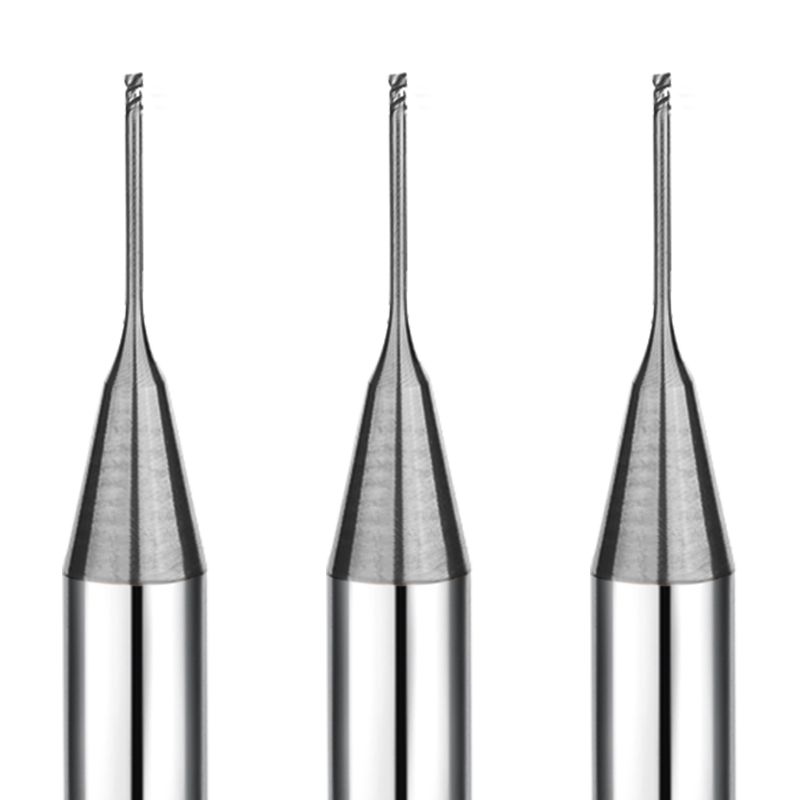
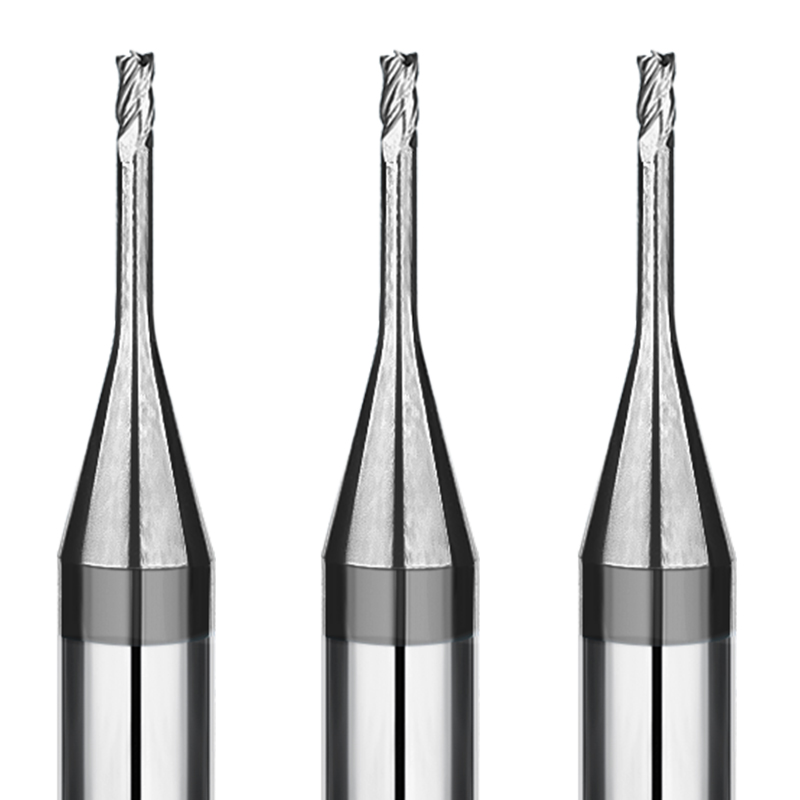
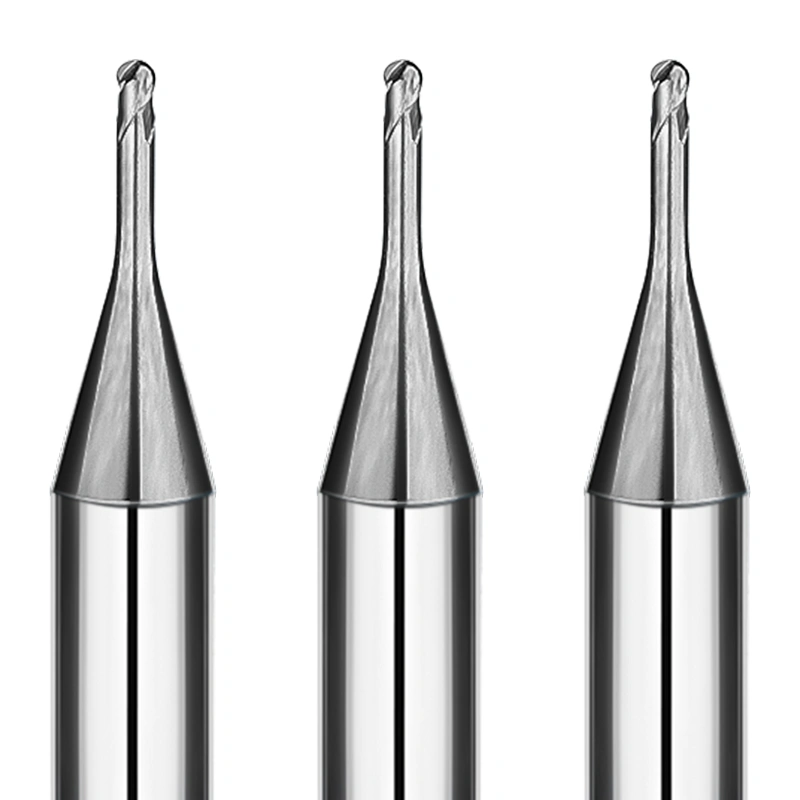
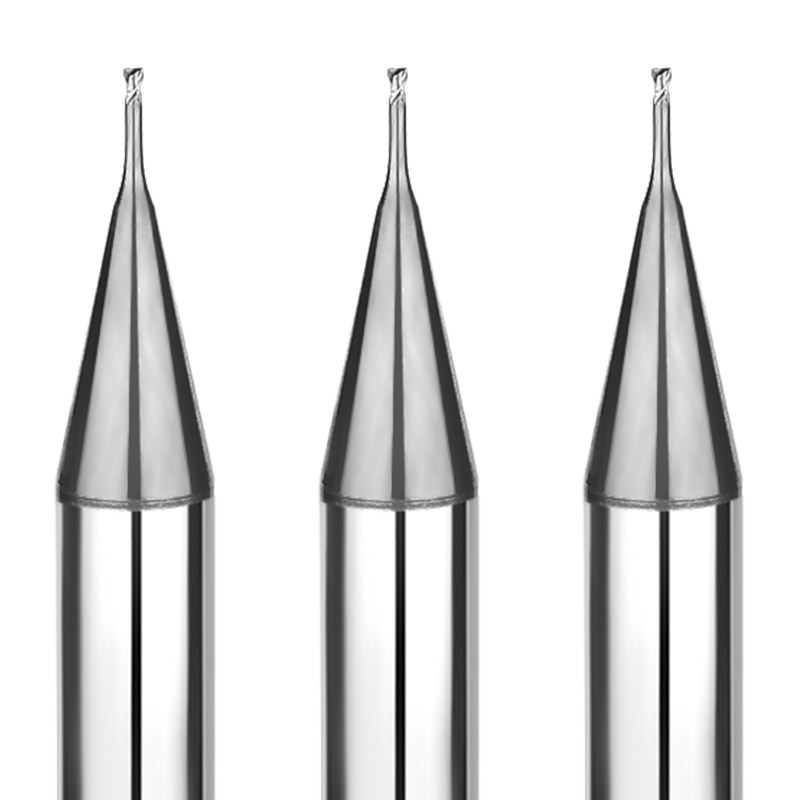
| Long Neck Series |
Deep Cavity & Rib Machining |
High rigidity for deep-reach copper components |
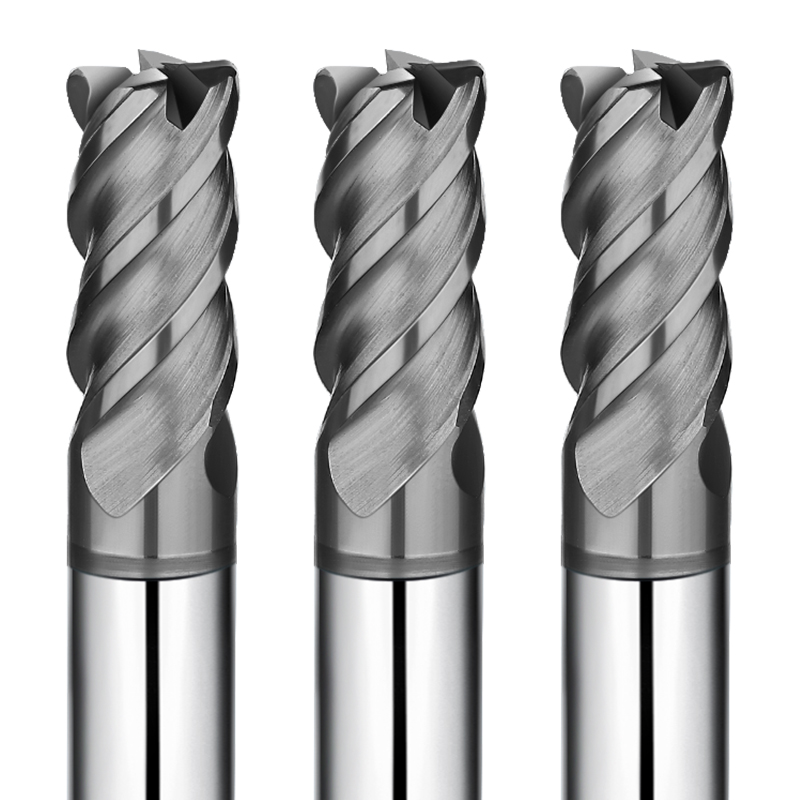
| 4-Flute Corner Radius |
High-Speed Finishing |
Better surface smoothness with edge protection |
Industry Applications
-
Electrical & Electronics: Machining of high-purity copper electrodes, connectors, and busbars.
-
Mold & Die: Fabrication of copper EDM (Electrical Discharge Machining) electrodes with intricate details.
-
Precision Engineering: Production of brass fittings, valves, and pneumatic components.
-
Thermal Management: Milling of copper heat sinks and cooling plates for high-performance computing.
FAQ: Copper Machining & DLC Tooling
Q1: Why is DLC coating preferred over TiAlN for copper?
TiAlN coatings contain Aluminum, which has a chemical affinity for non-ferrous metals like copper and aluminum, often causing material to “weld” to the tool. DLC is carbon-based and has no such affinity, providing a non-stick surface that is far superior for preventing built-up edges.
Q2: What is the ideal flute count for copper milling?
For most copper applications, 2-flute designs are ideal because they provide the large flute space necessary to evacuate thick, ductile chips. 3 or 4-flute tools are reserved for light finishing passes where surface smoothness is the priority.
Q3: How does the helix angle affect copper cutting?
A higher helix angle (typically 35° to 45°) increases the shearing action, which is essential for cutting through soft copper without creating burrs. It also helps “lift” the chips out of deep slots more efficiently.
Q4: Can I use these DLC tools for aluminum as well?
Yes. DLC-coated end mills are exceptionally effective on aluminum alloys and plastics. The same “non-stick” properties that help with copper prevent aluminum chips from clogging the tool flutes.
Q5: What causes burrs when machining red copper?
Burrs are usually caused by dull cutting edges or excessive heat. Using a sharp DLC-coated tool with high-speed parameters ensures a clean shear, while the low-friction coating keeps the temperature below the material’s plastic deformation point.
Q6: Is coolant necessary for DLC-coated tools?
While DLC coatings perform well in dry or MQL (Minimum Quantity Lubrication) conditions due to their low friction, using an oil-based coolant or mist is generally recommended for copper to help wash away chips and further improve the surface finish.
Q7: How do I choose between a 2-flute and a long-neck 2-flute tool?
Use a standard 2-flute tool for general milling to maximize rigidity. Choose the long-neck version only when you need to reach into deep cavities or work around obstructions where the standard shank would interfere with the workpiece.
Q8: What is the significance of the 0–0.003 mm shank tolerance for copper?
In precision electrode making, even slight run-out can cause dimensional errors. Our tight shank tolerance ensures the tool is perfectly centered in the holder, providing the stability needed for micron-level accuracy.
Q9: Does DLC coating help with tool life in abrasive copper alloys?
Yes. Certain brass and copper alloys contain elements that can be surprisingly abrasive. The diamond-like hardness of the DLC film protects the carbide substrate from abrasive wear, maintaining the tool’s sharp profile for much longer.
Q10: What are the recommended RPM settings for copper?
Copper typically requires high cutting speeds. Depending on the tool diameter, RPMs often range from 8,000 to 20,000+. However, the feed rate must be optimized to ensure chips are “cut” rather than “rubbed,” which is where DLC’s low friction becomes a major advantage.