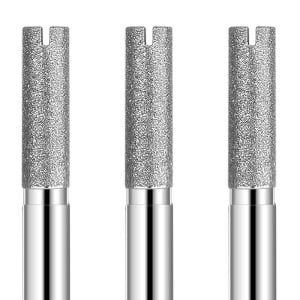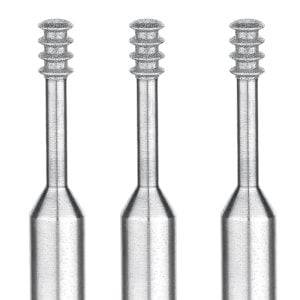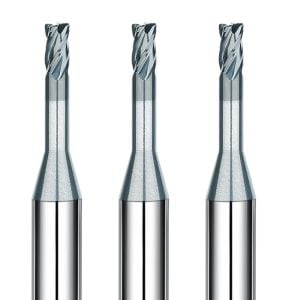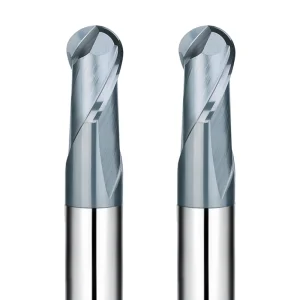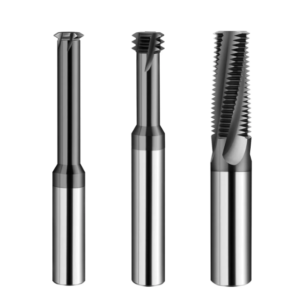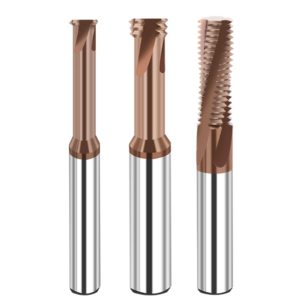
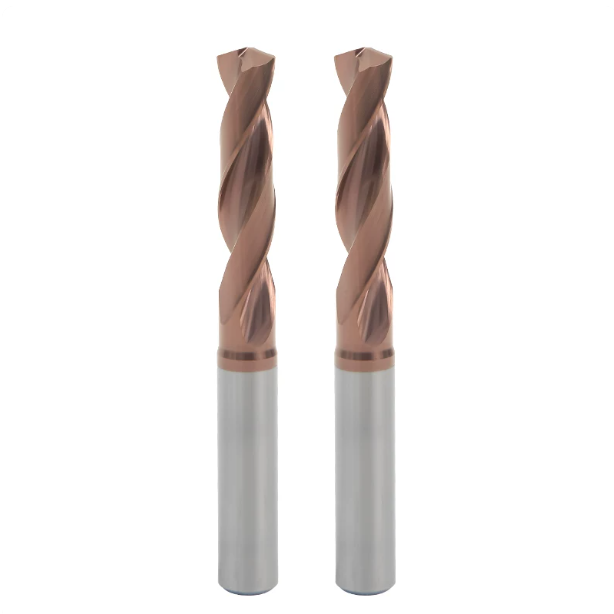
A few months ago, we got an emergency video call from a long-time client running a mold shop in Michigan. They had hit a wall machining a batch of SKD11 die inserts heat-treated to HRC 62. On screen, the shop supervisor held up a twisted, smoking drill with a shattered cutting edge and said: “This is our fifth broken tool today. The hole bottom is completely work-hardened, and ten thousand dollars in parts are on the line. What are the actual best drill bits for hardened steel?”
With 15 years on the shop floor grinding tools and setting up CNCs, I’ve seen this exact nightmare play out dozens of times. Many machine shops try to muscle through 50 to 60+ HRC steels using cobalt drills or generic off-the-shelf carbide. The outcome is always the same: the tool screams upon entry, chips immediately, or snaps before finishing a single hole.
In our testing facility, we destroy thousands of tools every month to find their true breaking points. When you are dealing with bearing steels, hardened D2, or case-hardened alloys, standard drilling strategies simply fail. Drilling without an annealing stage demands tools built specifically to survive extreme cutting forces and high thermal loads.
That is why we are opening up our internal testing data and machine run logs. We are skipping textbook theory to share the real-world results our engineering team paid for in broken carbide and scrapped stock. We put seven industrial-grade carbide drill bits for hardened steel through hell to see which ones survive where others fail.
If you are working with 60 HRC stock, why settle for a drill that dies after three holes when the right setup can clear 300? The real data is below—ready to see how your tooling stacks up?
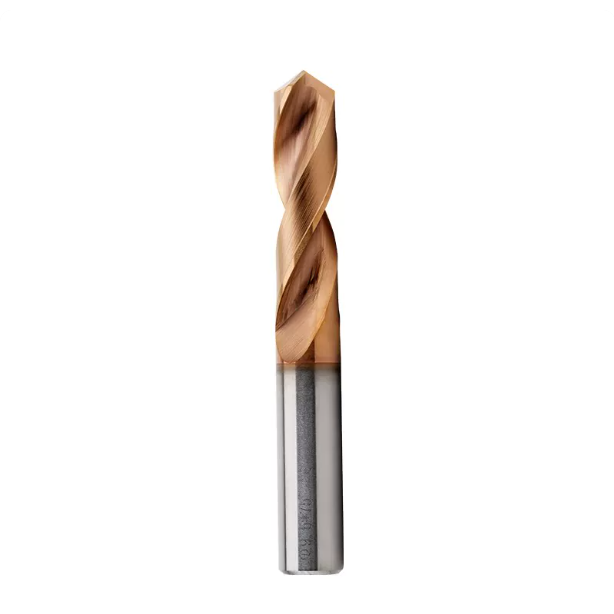
Why Do Conventional Drilling Methods Fail on Hardened Steel? — Real Shop-Floor Data
In our technical support work, we often hear: “We left the right allowance, so why does the tool screech and shatter on entry?” Machinists often blame machine rigidity or coolant mix. However, our destructive tests show that traditional cutting mechanics collapse once steel hardness exceeds critical thresholds. Yield strength spikes, turning normal chip shear into violent extrusion; specialized drill bits for hardened steel are mandatory to prevent spindle overload.
High-speed footage of the cut reveals the core issue. When an ordinary drill engages hardened stock, the cutting edge takes thousands of Newtons per square millimeter in instant shock loads. In our field work with North American mold makers, our first move is stopping standard drilling practices on hardened parts. Treating hardened alloys like soft carbon steel only leads to scrapped parts and skyrocketing tooling costs.
The “Deadly Triangle” of Machining 45–65 HRC Materials: Micro-Chipping, Thermal Cracking, and Work Hardening
In the 45–65 HRC range, failure usually starts with microscopic edge flaking. When the tool touches a 50+ HRC surface, high-frequency vibration on the flank face strips sub-micron particles off the cutting edge. Once the edge dulls, friction generates heat above 800°C within seconds. This creates a severe work-hardened layer on the hole bottom that ruins subsequent passes.
Thermal cracking from thermo-mechanical fatigue creates an even worse hazard. When machinists see smoke, they often flood the cut with external coolant. At high RPM, rapid cycling between extreme cutting heat and cold fluid causes thermal stress fractures along the main edge. To prevent this failure loop, shops need dedicated carbide drill bits for drilling hardened steel paired with high-pressure internal coolant delivery.
Why We Phased Out HSS and Cobalt Drills: The Rigidity Standard for Carbide Drill Bits in Hardened Steel
Years ago, our shop floor occasionally tried M42 or 8% cobalt drills on 48 HRC die steels for quick mold repairs. After tracking tool life over three months, we banned cobalt tooling on hardened lines entirely. In 52 HRC H13 steel, the chisel edge deformed on the second hole, causing massive hole taper. The labor spent removing broken drills cost far more than premium tooling.
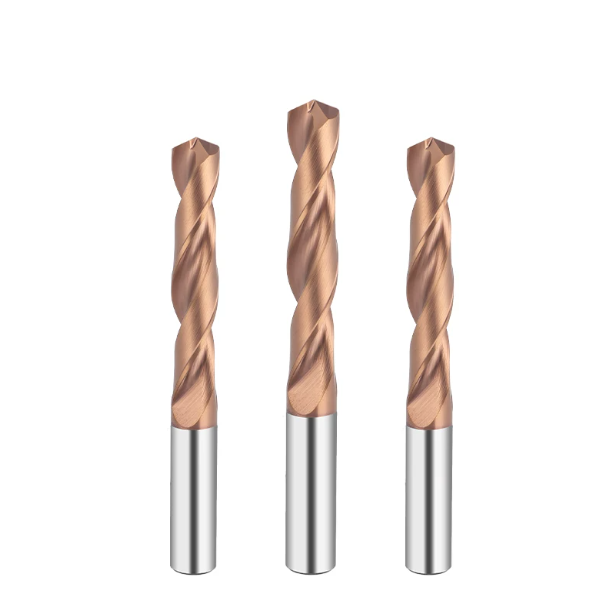
Cobalt HSS loses significant structural rigidity at temperatures above 500°C. Low flexural strength leads to torsional chatter and hole runout under heavy thrust loads. For materials above 50 HRC, we now mandate rigid carbide drill bits for hardened steel. Ultrafine-grain carbide retains its hot hardness and structural integrity, delivering consistent cutting action and dependable tool life.
Establishing Evaluation Benchmarks: How We Field-Test the Best Drill Bits for Hardened Steel
In our testing facility, theoretical charts mean nothing without destructive validation. To find the best drill bits for hardened steel, we ran comparative trials on 3-axis and 5-axis vertical machining centers. Rather than testing on mild carbon steel, we replicated high-hardness mold applications, using real-time spindle load spikes and batch hole counts as our core metrics.
We eliminated variables that could mask tool flaws, such as premature tool offsets or early tool changes. Every drill ran continuous cycles until catastrophic failure or defined wear limits, mapping the full torque curve. This testing gives us verified speed and feed baselines, allowing us to provide clear, actionable parameters rather than generic recommendations.
Hard Benchmarks for Test Materials and Conditions: D2 (60 HRC), H13 (52 HRC), and 100+ Bar High-Pressure Internal Coolant
Our first test benchmark is D2 cold-work die steel hardened to 60 HRC, which contains abrasive chromium carbides that accelerate edge wear. Our second benchmark is H13 hot-work steel at 52 HRC to test thermal fatigue resistance. All test blocks underwent cryogenic treatment to remove residual stress and soft spots, ensuring every carbide drill bits for drilling hardened steel sample faced uniform resistance.
Cooling and chip evacuation parameters were kept equally strict. We used a variable-frequency through-spindle coolant system delivering 100+ bar pressure with an 8% semi-synthetic emulsion. In holes deeper than 5D, external coolant cannot penetrate the high-speed vapor barrier. Through-tool coolant dissipates over 80% of cutting heat instantly, clearing needle-like chips to prevent dangerous chip recutting.
Tooling Engineer Evaluation Criteria: Cost-Per-Hole, Tolerance Retention, and Cutting Edge Wear Patterns
When evaluating cutting tools, purchase price is only part of the equation; total cost per hole across the run is what matters. An advanced micro-grain drill hitting 300 holes in 60 HRC steel costs far less per hole than a cheap tool failing after 20 holes once machine downtime is factored in. True value comes from balancing tool price against downtime, scrap rates, and part rework when selecting carbide drill bits for hardened steel.
We inspect hole geometry with CMMs and optical comparators, tracking hole roundness, entrance burrs, and diameter drift across batch runs. More importantly, we inspect edge wear under 200x magnification. We want to see steady, predictable flank wear rather than random micro-chipping or chisel tears. Predictable wear gives operators a reliable tool-change window before costly workpieces are damaged.
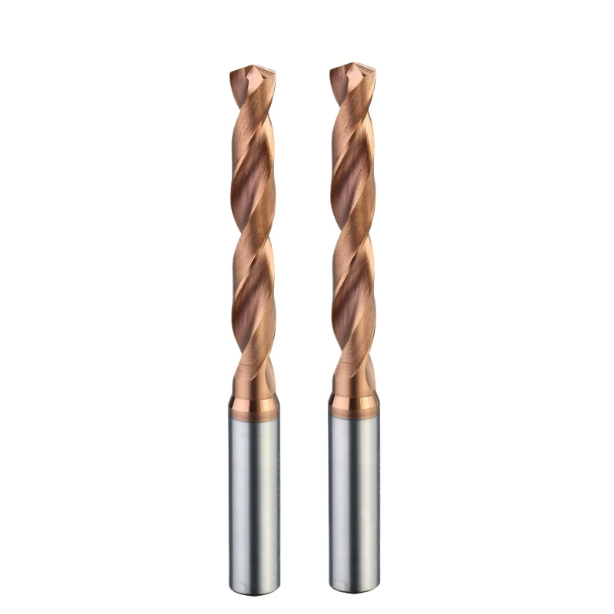
Workshop-Tested Selection: An In-Depth Review of the Top 7 Carbide Drill Bits for Hardened Steel
When selecting these seven tools, we discarded models that only performed well on lab test blocks but failed under real workshop vibrations. Real machining involves raw stock with oxide scale, spindle thermal growth, and batch hardness swings up to 2–3 HRC. We applied one core metric: dependable tool life under non-ideal conditions, which is essential for industrial-grade carbide drill bits for hardened steel.
In this review, we avoid vague marketing claims and present actual cutting data across specific hardness ranges, aspect ratios, and cooling setups. No single tool is a universal fix; some excel at cutting extreme 65 HRC alloys, while others specialize in 8D deep-hole evacuation. Knowing these operational boundaries helps you make practical tooling choices during production planning.
Review 1 (Top Choice for Ultra-Hard Molds): Ultrafine-Grain Carbide Drill Bits (Rated for HRC 65) – Extreme Performance in 60–65 HRC Hardened Mold Steel
Machining SKD11 or D2 inserts above 60 HRC causes standard carbide grains to spall under cyclic cutting stress. This drill utilizes a 0.2-micron tungsten carbide substrate paired with a 142° passivated point angle, significantly reinforcing both the web thickness and tip structure. In our stress tests drilling 3.5D holes into 63 HRC stock, spindle load remained stable and cutting chatter was completely absent.
However, a practical note of caution: achieving high wear resistance pushes substrate hardness past 93 HRA, which lowers flexural strength. Excessive tool overhang or clamping runout over 0.005mm can cause brittle tip fracture. We recommend mounting these hrc65 carbide drill bits in rigid shrink-fit holders at steady feeds, eliminating the need to anneal dies before machining.
Review 2 (Benchmark for Deep-Hole Chip Evacuation): Carbide Drills for Hardened Steel with High-Pressure Helical Internal Coolant Channels (5D–8D Continuous Feed Test)
Drilling deep holes up to 8D in hardened steel risks catastrophic tool breakage caused by chip packing. This design features large double-helical flutes and an optimized back-taper angle, minimizing contact friction between the hole wall and tool margins. With high-pressure coolant above 70 bar, hot chips are flushed out at high velocity, preventing chip re-cutting at the hole bottom.
In our continuous drilling runs on 52 HRC steel, the tool drilled full depth in a single pass without peck retracts, cutting cycle times by nearly 65%. For mass-producing deep ejector pin holes or water lines, these carbide drill bits for hardened steel are essential. However, your machine must supply high-pressure coolant; external flood nozzles will allow chips to pack and snap the drill.
Evaluation 3 (Chip Breaking & Heat Resistance Champion): Performance of AlTiSiN Nanocomposite-Coated Carbide Drills for Hardened Steel (Dry Cutting/MQL)
Many machinists avoid dry cutting or MQL on high-hardness parts, fearing extreme friction heat will destroy the cutting edge. This drill utilizes a silicon-doped AlTiSiN nano-coating with a micro-hardness of 3800 HV, forming a protective silicon oxide film at 1100°C. In dry trials on 55 HRC wear plate, the tool tip showed zero signs of oxidative flaking or crater wear.
The low-friction coating prevents chip adhesion and built-up edge (BUE), making it ideal for facilities with strict fluid disposal rules. While cutting with these carbide drill bits hardened steel yields healthy blue-oxidized chips, an air blast is required at the hole entrance. This clears hot debris immediately and protects the machined hole wall from heat scoring.
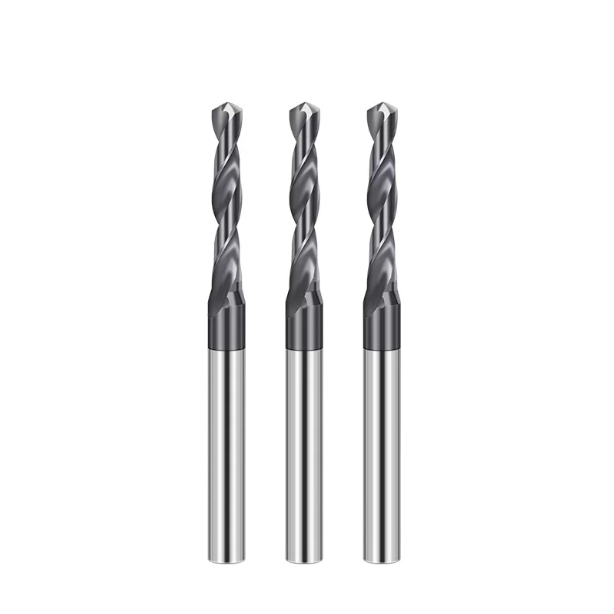
Evaluation 4 (High-Feed Flat-Bottom Drill): Flat-Bottom Drills for Hardened Steel (Inclined Surfaces & Intersecting Holes)
Standard twist drills tend to wander and walk when entering angled surfaces, cross-holes, or curved faces on hardened parts, causing one-sided chipping. This 180° flat-bottom drill solves centering instability completely. Its flat cutting face and ultra-short chisel edge allow direct entry onto 30° inclined 50 HRC surfaces while keeping hole centerline runout well within 0.01mm.
We tested this tool on complex cross-holes inside hardened hydraulic manifolds. When breaking through voids and re-entering the opposite hard wall, the cutting edge handled interrupted cuts without micro-chipping. As a specialized drill bits for hardened steel option, chip curling is tighter, so reduce your feed rate by 20% to balance the higher axial thrust forces.
Evaluation 5 (Precision Micro-Hole Machining): Real-World Testing of Vibration Resistance and Breakage Prevention for 0.5mm–2.0mm HRC65 Carbide Drill Bits
Micro-hole drilling in hard metals is high-risk; a tiny load spike can snap a 1mm drill inside an expensive mold cavity. This micro-tool uses a reinforced shank diameter and a short flute-to-diameter ratio, maximizing rigidity. In field tests drilling 1.2mm nozzle orifices in 62 HRC powder metal steel at 15,000 RPM, the tool maintained precise geometry and dynamic balance.
Using micro-sized hrc65 carbide drill bits requires strict spindle runout and holder concentricity control. If dynamic radial runout exceeds 0.002mm, cutting load shifts onto a single edge, halving tool life. If your spindle has runout or uses standard ER collets, do not push higher feed rates; indicate and correct your runout before starting the cut.
Review 6 (A Tool for Case-Hardened Surfaces): A Composite Stepped Drill for Carburized/Nitrided Layers
Carburized gears and shafts typically feature a 58–62 HRC outer case with a much softer 35–40 HRC core. Cutting across this abrupt hardness transition often triggers severe edge flaking. This stepped drill uses a dual-diameter, dual-point geometry: a reinforced outer step cuts the hard shell, while the inner primary edge manages chip flow in the ductile core.
In automotive transmission lines, a single pass replaces three separate tools for spot-drilling, pilot drilling, and chamfering. In batch runs, these specialized carbide drill bits for drilling hardened steel eliminated cumulative tolerance stack-ups from tool changes. Remember to program a surface speed drop at the step transition to prevent heat damage on the larger secondary diameter.
Review 7 (High-Value Batch Processing Solution): A Versatile Drill Bit with the Highest Reorder Rate Among European and American Automotive Parts Manufacturers
If your shop runs high volumes of 45–55 HRC alloy forgings (like quenched 4140 or 4340), you need a reliable workhorse rather than an expensive specialty drill. This drill features a standard chip-breaking geometry and a wear-resistant AlTiN coating. While not built for 65 HRC dies, it delivers steady, predictable tool life across large production runs.
In long-running North American suspension component contracts, this drill is a staple that production managers reorder consistently. It maintains tight hole tolerances even in standard BT40 collet chucks without requiring ultra-rigid holders. For shops seeking the best drill bits for hardened steel on high-volume production lines, this tool keeps cost-per-hole exceptionally low.
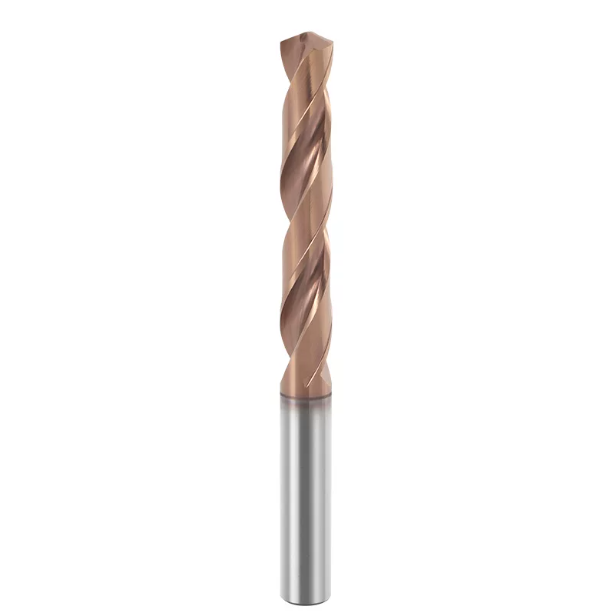
Cutting Parameters and Process Pitfalls: Maximizing Carbide Drill Bits on Hardened Steel
When cutting materials above 50 HRC, we frequently see a frustrating pattern: shops buy premium tools, but tool life drops to a third of expectations. The culprit is rarely the carbide itself, but rather applying programming habits suited for mild steel. High yield strength makes the setup sensitive to vibration; even minor parameter mismatches cause rapid failure on carbide drill bits hardened steel.
Unlocking the full wear resistance of carbide requires disciplined parameter selection. Clear limits exist at every step—from surface speed and minimum feed rates to toolholder rigidity. Based on our on-site process optimization with clients, maintaining a stable feed strategy and minimal runout prevents sudden tool breakage while boosting cycle times.
Moving Beyond Traditional Peck Drilling: Constant Low-Feed Rules for Drilling Hardened Steel
Many machinists default to a G83 peck cycle in deep holes, but this practice is fatal in hardened steel. Carbide has extreme hardness but lower impact toughness than HSS. Every time the drill re-enters the hole, the chisel edge impacts work-hardened material, chipping the cutting edge. Unless hole depth exceeds 8D without coolant, use a G73 chip-break cycle or a continuous feed routine.
For 50–60 HRC steels, keep surface speed (Vc) between 20–35 m/min; higher speeds generate cutting zone heat above 1000°C, degrading the coating bond. Keep feed per revolution (fn) at 0.02–0.06 mm/rev without dropping too low. If feed falls below the edge honing radius, the tool rubs and work-hardens the hole bottom instead of shearing. Stable axial load is vital when running carbide drill bits for drilling hardened steel.
Radial Runout Must Stay Under 0.003 mm: Clamping Rules for Hydraulic and Shrink-Fit Holders
In our technical support calls, excessive collet runout is the leading cause of instant tool failure. On 55+ HRC stock, if dynamic runout at the drill tip exceeds 0.005 mm, a single cutting edge takes nearly the entire axial load. This unbalanced force causes hole enlargement, taper errors, and severe chatter that strips the guide margins.
Never mount high-performance carbide drill bits for hardened steel in worn standard ER collets. We recommend high-rigidity shrink-fit holders or vibration-damping hydraulic chucks, keeping total runout at the tip under 0.003 mm. Tight concentricity balances chip loads across both cutting edges, ensuring smooth chip curling and dynamic balance at high RPM.
140° Point Angles and Chisel Edge Protection: Entry Techniques to Prevent Chipping
Standard 118° or 135° point angles face heavy axial resistance on hardened surfaces, causing the tool to skate on initial contact. A wide 140° point angle paired with an S-shaped split point directs cutting forces outward, delivering instant self-centering. This geometry minimizes the dead-zone core area and lowers peak axial thrust forces during entry.
We also apply a reinforced corner chamfer or micro-radius to protect the outer cutting edge. In your CNC program, reduce the feed rate by 30%–50% during the first 0.5 mm of entry until the 140° tip seats into a guide cone. This stepped entry provides a smooth buffer, preventing premature chipping on the best drill bits for hardened steel.
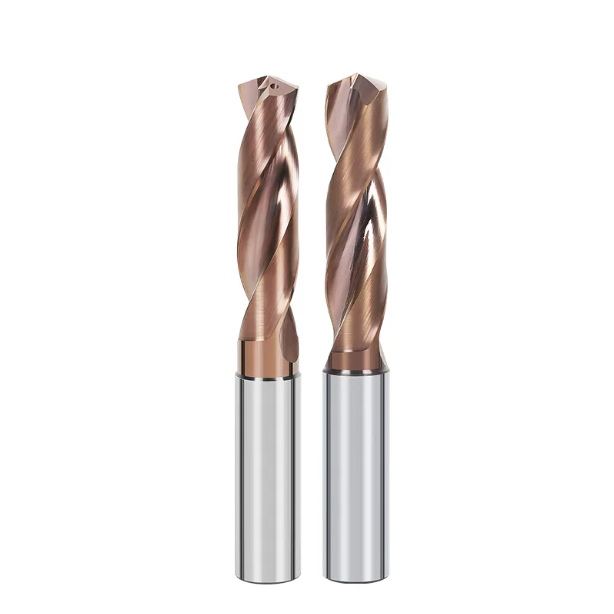
Diagnosing Common Machining Failures: Troubleshooting Chipping and Tool Burning
In our field work across US and European machine shops, we frequently troubleshoot broken drills, burnt margins, and tools friction-welded into deep holes. Machinists often blame poor tool batch quality, but root-cause analysis usually points to force spikes, chip packing, or thermal shock. Diagnosing the exact failure mechanism is the only way to stop recurring tool scrap.
Tool wear serves as a clear diagnostic blueprint. Normal wear appears as gradual, uniform flank burnishing, while sudden breakage or burnt margins point to setup and programming flaws. By reading fracture patterns, chip color, and hole wall scoring, you can dial in parameters and restore carbide drill bits for drilling hardened steel to peak performance.
Case Study 1: Why Did the Drill Tip Chip on the Third Hole in D2 Tool Steel?
An Ohio mold maker contacted us after brand-new drills kept suffering shell-like edge chipping on the third hole in 60 HRC D2 plates. Microscopic inspection revealed that uneven vacuum heat treatment left surface decarburization and hard carbide pockets reaching 64 HRC. These micro-hardness swings created severe cutting shock loads.
The CNC entry strategy made things worse: the tool engaged the rough milled surface at 100% programmed feed. The violent impact against hard carbides exceeded the fracture toughness of the carbide substrate. We reduced the entry feed by 40% for the first 1 mm and switched to drill bits for hardened steel featuring reinforced edge preps, raising tool life to over 120 holes per drill.
Case Study 2: Root Causes of Chip Packing and Bore Wall Scoring
Another common issue is chip packing during deep-hole drilling. A client machining hardened hydraulic sleeves reported scored hole walls and frequent tool seizure. Our on-site inspection showed that rotary union wear and line losses had dropped actual through-spindle pressure below 15 bar, preventing proper chip evacuation.
Poor flute surface finish added to the problem. As hot chips traveled up the helical flutes, high friction caused chip welding against the raw flute steel. We increased variable-pump pressure above 70 bar and switched to mirror-polished carbide drill bits hardened steel. The high-velocity coolant flushed chips out instantly, restoring hole finishes to a clean Ra 0.4.
B2B Sourcing and Cost Reduction: Selecting an Industrial Drill Bit Supplier
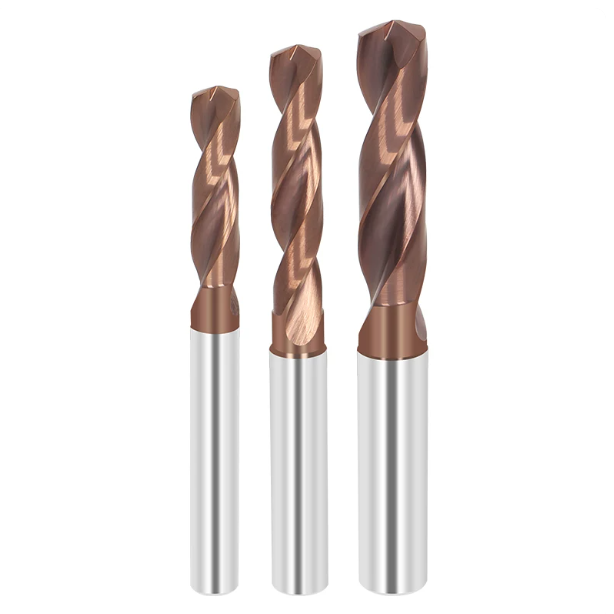
Machining 45–65 HRC steels successfully requires more than just high spindle speeds. In many machining facilities, purchasing departments focus on low purchase prices, while shop floors pay for batch inconsistency, tolerance drift, and broken tools. Partnering with a manufacturing-backed drill bit supplier who understands cutting mechanics is essential for driving down total manufacturing costs.
We suggest benchmarking the hardened part with your shop’s highest scrap rate or slowest cycle time. Calculate the true costs of tool-change downtime, extracting broken drills, and scrapped workpieces. Whether managing low-volume mold repairs or high-volume automotive production, partner with a team that can analyze your setup and optimize parameters on the shop floor.
Distinguishing Traders from Manufacturers: Evaluating 5-Axis Grinding and PVD Coatings
When evaluating suppliers, look closely at cutting edge micro-geometry. Traders often sell re-branded tools from multiple job shops, making carbide substrate grain sizes and cobalt content impossible to trace. A true manufacturing drill bit supplier operates rigid 5-axis CNC tool grinders capable of holding micron-level web tolerances, mirror flute polishing, and uniform edge honing.
PVD coating quality is another key benchmark. High-heat coatings like AlTiSiN require strict temperature control in high-vacuum PVD reactors; target purity directly determines whether layers delaminate under load. When cutting abrasive tool steels, ask for coating hardness and adhesion test data—commercial repackagers cannot replicate the symmetrical grinding tolerances of a true manufacturer.
Custom Tooling and Batch Consistency: Practical Testing and Optimization Support
Off-the-shelf tools only cover about 70% of specialized hardened applications. When machining complex step holes, deep ports, or steep entry angles, custom tool geometry is often necessary. As a dedicated drill bit supplier, we run initial cutting trials and collect real-time load data to determine ideal speeds, feeds, and coolant pressures before placing bulk orders.
Batch-to-batch consistency protects high-volume production runs. Too many shops see great results on a test tool, only for subsequent production batches to deliver half the life. If you face tough drilling jobs in cryo-treated steels or aerospace alloys, share your material grade, hardness, holder type, and part prints with us. We can optimize flute geometries and verify parameters together to protect hole tolerances and lower your cost per hole.