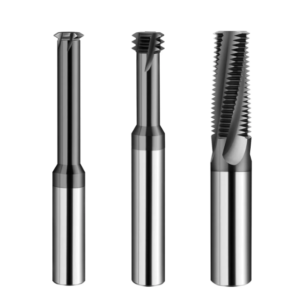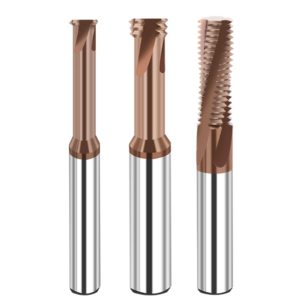
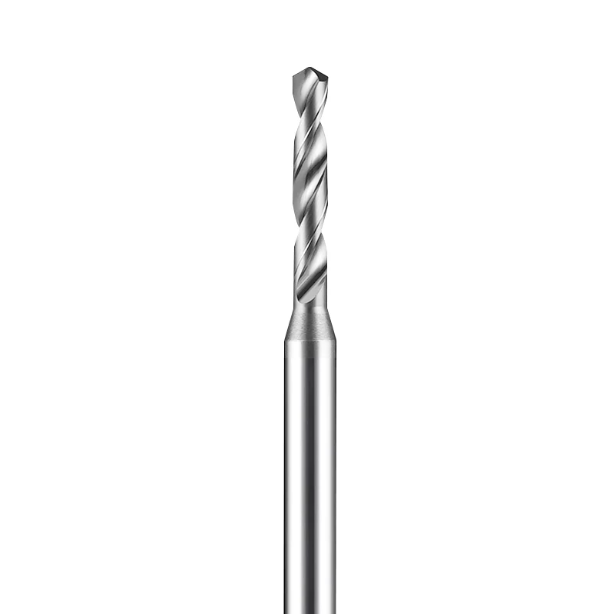
A few months ago, we helped a California-based medical device client diagnose four boxes of scrapped thick acrylic panels. The surface finish was immaculate, but during assembly, fine radial micro-cracks appeared around every mounting hole the moment screws were torqued. On several parts, large fingernail-sized chips blew out from the exit side before the components even left the machine shop.
We have diagnosed this exact failure mode hundreds of times while supporting machining facilities across the US and Europe. Most machinists blame an aggressive feed rate or the wrong spindle speed. But anyone who grinds cutting tools knows the truth: brittle acrylic (PMMA) rejects standard metalworking twist drills. Their aggressive cutting action tears the substrate, while frictional heat melts chips inside the flutes, causing massive blowout upon breakthrough.
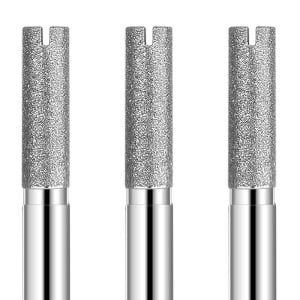
To master how to drill acrylic with zero haze, crazing, or edge breakout, your edge geometry matters far more than your CNC controller. We spent months in our grinding facility testing dozens of point angles, rake profiles, and flute polish grades. These five proven setups deliver clean, mirror-smooth holes that reliably pass rigorous mechanical stress inspections.
Are you running a production batch right now where backing off the feed rate still fails to stop exit-hole blowout?
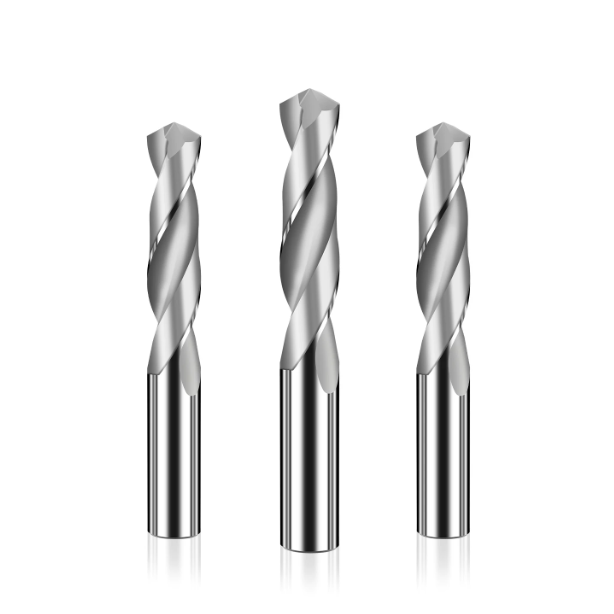
Why Standard Bits Fail: What 16 Years of Toolmaking Taught Us About the Acrylic Drill Bit
Our sharpening bay receives snapped drills and crazed acrylic test coupons almost weekly. Machinists with steel or aluminum backgrounds frequently grab off-the-shelf twist drills to run transparent sheet stock. The result is almost always scrapped inventory. Metals require sharp, positive cutting action to shear and curl chips; brittle acrylic simply shatters under that same localized tensile load.
Years of custom tool development taught us that general-purpose bits fail because their cutting geometry directly fights the physical properties of acrylic. Ensuring burr-free holes requires redesigning the drill profile, especially the flute volume and cutting rake. Over sixteen years, we dialed in our dedicated acrylic drill bit designs on the shop floor to eliminate this constant scrap hazard.
The 118° vs. 60° Point Angle: How We Redesigned Our Acrylic Drill Bit to Stop Exit Blowout
Standard 118° and 135° drill points feature broad chisel edges that generate massive downward thrust. As the tool nears the bottom of the plate, the thin remaining membrane cannot support that axial force without backing. Instead of cutting cleanly through, the bit punches out the bottom skin, leaving a jagged crater. Force-gauge tests show peak breakout thrust often spikes to triple the normal drilling load.
To resolve this, we ground our custom drill bit for acrylic with a sharp 60° point angle, or 90° for thicker blocks. This elongated nose pierces the sheet gently and slices outward like a reamer. The cutting forces shift from vertical punching to gentle radial peeling. Breakthrough happens gradually across the cut, virtually eliminating back-side chipping and blowout.
Zero Rake Scraping vs. Positive Rake Gouging: Why Your Drills Pull In and Crack the Sheet
We once consulted for a signmaker whose 8mm cast acrylic panels kept snapping on their CNC router table. The tools they ran carried an aggressive 20° positive rake intended for non-ferrous metals. While great for soft aluminum, that hook profile grabs brittle acrylic like a fishhook. The bit actively pulls itself into the cut, creating uncontrolled self-feeding, chatter, and instant cracking.
We modified the geometry by adding a narrow, precision-ground 0° rake land along the cutting lip. This modified geometry scrapes the polymer away in continuous ribbons instead of digging in. It requires slightly more spindle torque, but it prevents the tool from diving into the work. If your sheet lifts off the vacuum table during machining, your rake angle is almost certainly pulling it up.
Flute Polishing for Cast vs. Extruded Acrylic: Preventing Friction-Welded Swarf
Cast and extruded acrylic behave completely differently once heat enters the cut. Extruded acrylic features shorter molecular chains and melts quickly; chips turn gummy within milliseconds. Cast sheet resists heat better, but its stringy ribbons easily scratch the newly cut hole walls. When standard flutes retain rough grinding marks, chips snag, overheat, and quickly friction-weld inside the tool.
To keep chips moving freely, we put our drill bits for drilling acrylic through a proprietary micro-polishing cycle. Mirror-finished flutes and wider chip channels allow chips to slide out via centrifugal force before melting. Whether running dry with cold air or using clean water-soluble coolant, smooth flutes remove heat efficiently and prevent cloudy, scored hole walls.
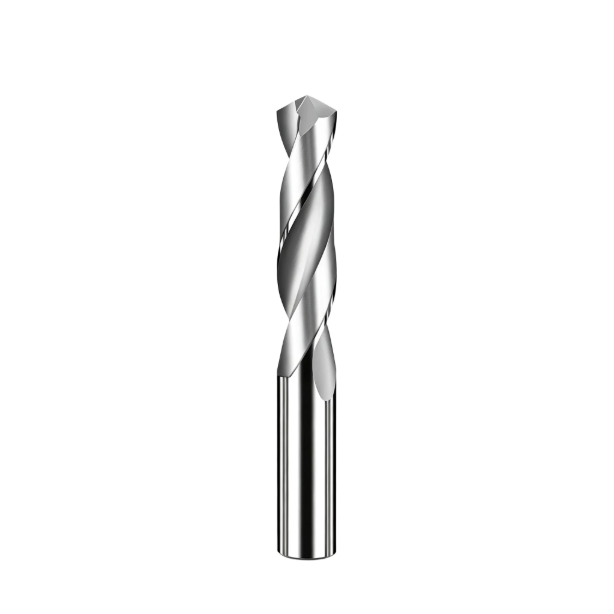
The Top 5 Best Drill Bit Options for Acrylic Tested in Our CNC Machine Shop
In our CNC shop, we don’t choose tooling based on catalog promises; we check the scrap bin after three shifts. Using a generic cutter on transparent polymers is a recipe for failure. Thin-sheet chatter, core-heat buildup in thick blocks, and the lateral play of handheld drilling demand distinct tool profiles. We spent months running identical cast and extruded sheets on our machining centers to track cutting heat, bore tolerance, and breakout damage.
Selecting the best drill bit for acrylic requires balancing core rigidity, edge toughness, flute volume, and cycle cost. Ultra-hard substrates run beautifully on rigid setups but chip instantly if vibration creeps in. Tougher alloys offer forgiveness during manual work but wear out rapidly in automated cycles. After years of testing and technical troubleshooting, these five configurations emerged as our most dependable shop floor performers.
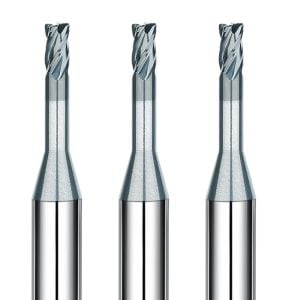
#1. Custom 60° Point Solid Carbide Drill Bit for Acrylic: Our Go-To for Production Runs
When your CNC line must produce thousands of precision holes daily, our modified solid carbide 60° point tool is our top recommendation. On a qualification run for an optical customer, we ran this bit at 4,500 RPM with a calibrated chip load across 2,000 continuous holes. Optical inspection confirmed zero cutting-edge micro-chipping, bore runout stayed within 0.015mm, and the wall finish matched cold-polished clarity.
However, this specialized drill bit for acrylic requires uncompromising setup rigidity. Sub-micron tungsten carbide delivers extreme wear resistance, but its sharp, elongated 60° nose cannot tolerate spindle runout or flimsy workholding. We run these tools exclusively in hydraulic chucks or shrink-fit holders. If your machine slides show backlash or your fixture allows flex, the resulting micro-vibration will chip the cutting tips quickly.
#2. Specially Ground High-Speed Steel (HSS) Acrylic Drill Bit: The Cost-Effective Job Shop Performer
For short runs, assembly stations, or jobs on conventional drill presses, we modify cobalt HSS tooling for our customers. Standard HSS lacks the hardness of carbide, but its fracture toughness absorbs lateral wobble and manual feed variations. By narrowing the chisel edge and grinding a zero-degree rake face, we eliminate the aggressive tool grabbing that twists workpieces out of operator vises.
Field data proves this reground acrylic drill bit offers unbeatable utility for lower-volume work. Tool cost is a fraction of solid carbide, and the ductile substrate survives slight manual feeding misalignments without snapping. The cutting edge will begin to dull after 300 to 500 cycles from frictional heat, leaving a light haze on the bore, but it remains the most practical choice for prototype runs and spot repairs.
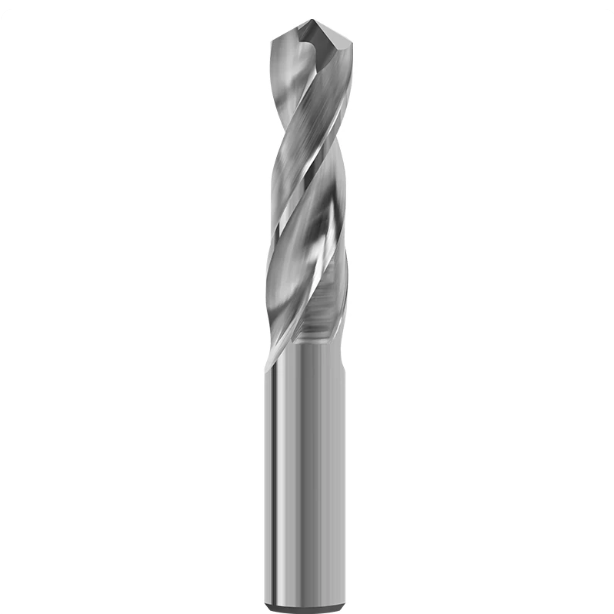
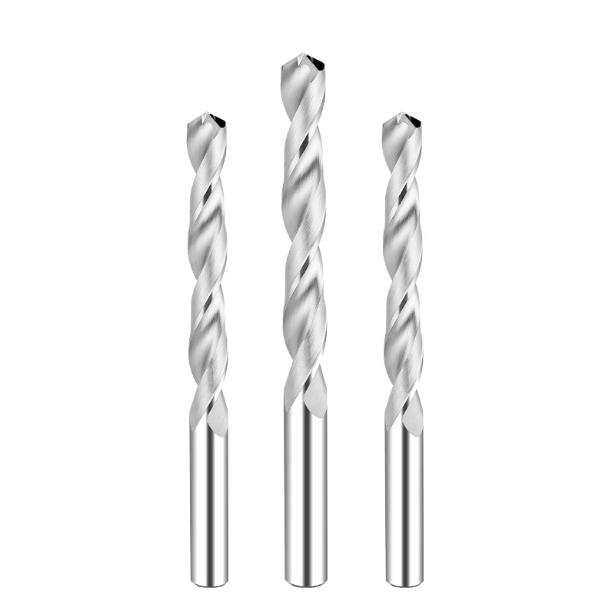
#3. Parabolic Flute Drill Bits for Drilling Acrylic in Deep-Hole and Block Applications
Drilling manifolds or heavy slabs thicker than 30mm increases chip packing risks exponentially. Standard helical flutes trap plastic swarf once depth passes three times the tool diameter. That friction generates heat quickly, causing deep swarf to melt and weld to the core. To fix this, we rely on parabolic flute geometry, whose wide, open valley lowers chip clearing resistance by roughly 50%.
These heavy-duty drill bits for drilling acrylic lift molten ribbons up and out without compacting them against the bore wall. Paired with calculated peck depths, they drop blind-hole core temperatures by over 10°C, stopping internal stress whitening completely. Keep in mind that parabolic flutes reduce the tool’s web thickness. Operators must program controlled feed rates to avoid tool deflection or twist inside deep holes.
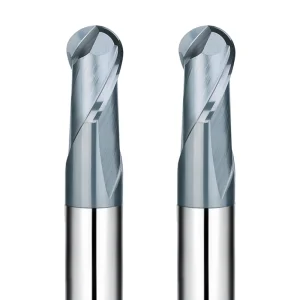
#4. Single-Flute Spiral Drill Bits for Drilling Acrylic on CNC Routers
High-speed router tables operating between 18,000 and 24,000 RPM demand maximum chip clearing efficiency. For these cutting environments, we consistently specify single-flute spiral tools with mirror-polished throats. The open design provides massive clearance space; spindle windage acts like a blower, ejecting chips instantly before high cutting friction can re-fuse the waste to the hole perimeter.
Machinists learning how to drill a hole in acrylic often default to twin-flute drills, which clog easily on high-speed router beds. A premium single-flute design runs cooler and leaves a glossy edge that eliminates secondary deburring. Remember that single-flute tools have an inherent rotational imbalance. They require controlled plunge entries on thick plates to prevent drift, making them best suited for sheet stock.
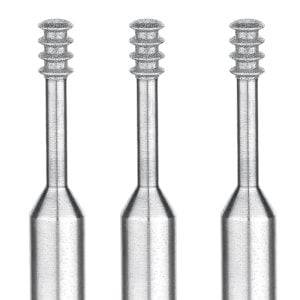
#5. Micro-Grain Carbide Step Drill Bit for Acrylic Sheet: Burr-Free Multi-Diameter Drilling
Drilling thin plastic panels from 1mm to 5mm is notoriously tricky. Standard points break through the back face before the cutting lips fully seat, shattering the brittle underside. To solve this, our shop grinds custom micro-grain carbide step drills with radiused transitions. Each step shaves a thin foil layer, while the trailing shoulder automatically adds a micro-chamfer to clean the top rim.
These precision tools produce clean, chip-free holes in thin sheet metal and plastics in a single plunge. However, sourcing custom wholesale carbide drill bits with exact step heights requires dedicated production volume. The step length must match your sheet thickness precisely, and tooling fixtures require machined clearance beneath every hole. For high-volume, standardized enclosures, they pay for themselves quickly.
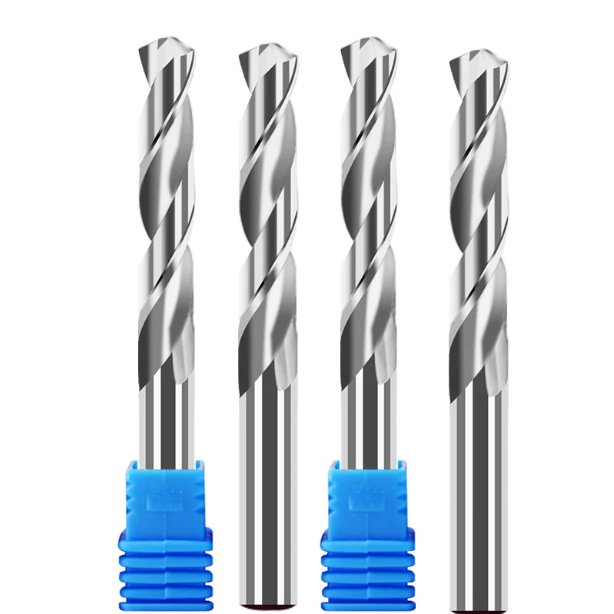
How to Drill Acrylic Without Scrap: Speeds, Feeds, and Toolpaths from Our Tech Support Logs
Roughly half the scrap calls our technical support engineers handle stem from cutting parameters designed for metals rather than plastics. Operators frequently spin the spindle above 10,000 RPM while creeping the feed downward. This rubs the material, melts the hole wall, and packs the flutes with molten resin. Controlling cutting heat matters just as much as reducing tool thrust.
We pulled real-world programming data from our service logs to establish a reliable baseline. Learning how to drill acrylic reliably comes down to maintaining an adequate feed per revolution (FPR). This practice ensures chips carry heat away in solid flakes rather than melting into the tool path. Lock in these motion parameters, and your production yield will improve immediately.
How to Drill a Hole in Acrylic on a CNC VMC: G83 Pecking vs. G73 Parameters
On CNC vertical machining centers, programmers often use high-speed chip breaking (G73) to save cycle time. On transparent acrylic, this shortcut causes immediate scrap. The short retract stroke of G73 fails to clear stringy swarf from the hole; trapped chips rub against the walls, creating permanent friction haze. For depths exceeding two tool diameters, we enforce full-retraction G83 pecking cycles.
On standard 6mm to 10mm holes, set your peck increment (Q) between 1.5mm and 2.5mm, decreasing the depth as the hole goes deeper. Full retraction to the retract plane clears chips and lets your air blast cool the tool. If you are refining how to drill acrylic, cut your feed rate by 50% during the final 1mm before breakthrough. This controlled exit prevents catastrophic punch-out blowout at the bottom of the part.
How to Drill Acrylic by Hand Drill: Backing Boards, RPM Control, and Breakthrough Pressure
Manual drilling on assembly floors lacks the rigid guidance of a CNC spindle, making it the most common stage for broken parts. Handheld tools wobble under uneven hand pressure, inducing bending moments that crack brittle holes. Always clamp a flat, rigid scrap board—such as MDF or birch plywood—directly beneath the workpiece. The backing material supports the bottom surface fibers as the point exits.
The most common operator mistake is pushing down harder right as the drill breaks through. Start with moderate spindle speeds, but back off your hand force the instant cutting resistance drops. A sharp acrylic drill bit should shave through the bottom face using tool weight and minimal forward force. Building this simple physical habit stops over 80% of exit-hole cracking on assembly benches.
Cooling Strategies for the Best Drill Bit for Acrylic: Cold Air Gun vs. Water-Soluble Mist
Cooling requires careful discipline on plastics; bad choices cause more damage than dry cutting. We frequently find shops spraying general-purpose metalworking coolants or alcohol onto hot holes, only to watch parts spider-web with cracks days later. Acrylic suffers severe solvent stress cracking when exposed to aggressive chemicals under mechanical strain.
To maximize tool life on the best drill bit for acrylic, we strongly recommend vortex cold-air guns. Clean, dry, refrigerated air keeps the cut zone well below the plastic’s glass transition temperature and clears flutes without fluid contamination. If deep holes demand liquid coolant, specify certified polymer-safe, ester-free water mists, and rinse components immediately after machining to remove all fluid residues.
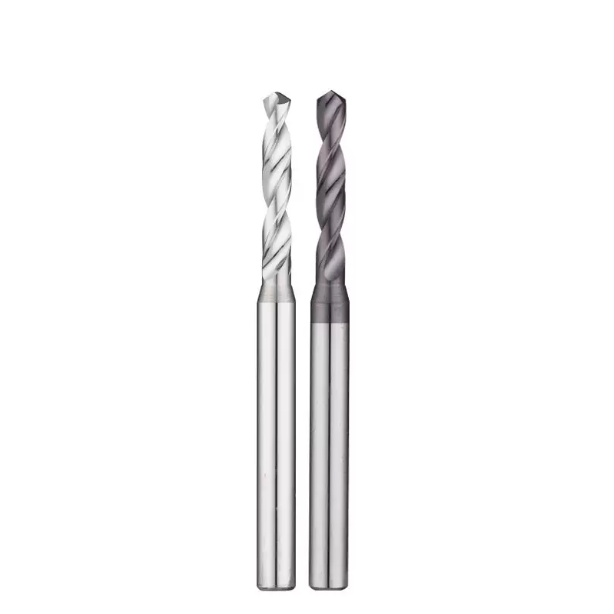
Tool Wear and Post-Drilling Stress: Quality Checks Every Machinist Must Run
In precision CNC machining, the most dangerous rejects are the “ticking time bombs”—parts that pass visual inspection but crack during final assembly. Unlike metals, acrylic exhibits pronounced stress memory. Even without visible burrs or chipping around the hole perimeter, residual cutting heat and high thrust forces leave severe localized tensile stresses that can spiderweb under fastener torque.
Setting strict quality standards for high-end optical clients taught us to move inspection upstream to tool wear tracking. Relying on an operator with a flashlight and loupe cannot reveal latent subsurface damage. Driving production scrap toward zero requires pairing microscopic wear monitoring for every drill bit for acrylic with a disciplined stress-relief workflow.
Inspecting Cutting Edge Dullness on Your Acrylic Drill Bit Before It Micro-Cracks the Workpiece
A 50x illuminated microscope sits permanently beside our inspection granite. After completing a scheduled production run, our operators inspect the primary cutting lips before measuring bore diameters. Non-metallic tool wear is deceptive; cutting edges rarely chip like they do on steel. Instead, microscopic honing wear rounds the cutting margin, or a thin, baked-on polymer film glazes the flank face.
Once the edge radius exceeds 0.02mm, your acrylic drill bit stops slicing and starts plowing material through friction. This rubbing embeds severe tensile strain within the sub-surface wall layer, virtually guaranteeing later failure. If a loupe reveals a widened wear land or cuts produce powdery dust rather than crisp curled chips, pull the tool immediately for regrinding.
Polarized Light Inspection: Detecting Crazing Around Holes Drilled with Drill Bits for Drilling Acrylic
To eliminate cracking during assembly, we train our customer support teams to use polarized light stress analysis. Place the drilled transparent part between two polarizing film sheets, illuminate it with a flat white backlight, and rotate one filter. Trapped machining stress immediately reveals itself as vivid, rainbow-colored birefringence bands around the bore wall.
Tight, densely grouped color rings indicate severe stress concentration. Forcing blunt drill bits for drilling acrylic into sheet stock creates distinct clover-leaf stress patterns. These stressed zones craze instantly if cleaned with isopropyl alcohol. Polarized inspection gives CNC setups clear, visual proof within seconds whether feed rates and rake angles are gentle enough for production.
Annealing Cycles for CNC-Drilled Thick Acrylic: Relieving Residual Stresses
For components thicker than 15mm—such as fluidic manifolds, sight windows, and pressure vessels—drilling parameters alone cannot remove all internal strain. A controlled oven annealing cycle is an essential post-machining safeguard. When producing thick medical modules, we run all drilled blocks through a programmable convection oven to relax oriented polymer chains.
Controlling the thermal ramp rates matters far more than the peak soak temperature. On cast acrylic, ramp up slowly at 10°C to 15°C per hour to roughly 80°C, holding for one hour per 5mm of thickness. Cool slowly inside the closed oven back to ambient room temperature. Rushing this cycle reintroduces severe thermal gradient stresses, wiping out the precision achieved on the machine.
OEM & Sourcing Guide: When to Switch to Wholesale Carbide Drill Bits for Scale
When your production scales from job-shop prototyping to thousands of parts monthly, evaluating tooling strictly by catalog purchase price fails. The true cost driver is spindle downtime caused by frequent tool changes, tool setting runs, and batch rework. The key metric shifts to total cost per hole across the complete manufacturing route.
Sourcing dedicated carbide tooling delivers consistent metallurgical grain structure and tight ground tolerances across thousands of cycles. Paired with polished flutes, correct point angles, and controlled stress protocols, sourcing the best drill bit for acrylic at production volume lowers direct shop floor overhead and eliminates random part failure.
Sub-Micron Tungsten Substrate: The Metallurgy Behind Wholesale Carbide Drill Bits
Carbide rod powder metallurgy dictates tool longevity in abrasive polymers. Inexperienced buyers assume harder grades always perform better, but excessive hardness increases brittleness, causing razor-sharp lips to micro-fracture under entry shock. For acrylic cutting, we specify a sub-micron 0.6μm tungsten grain size with cobalt balanced strictly between 10% and 12%.
This metallurgical matrix allows grinding exceptionally smooth cutting lips free of microscopic serrations while preserving the transverse rupture strength (TRS) needed to resist side deflection. When evaluating wholesale carbide drill bits, verify the raw substrate’s grain size and fracture resistance. High-purity tungsten ensures uniform flank wear over hundreds of hours, keeping hole finishes crystal-clear.
Cost-Per-Hole Optimization: How Wholesale Carbide Drill Bits Reduce Downtime in Acrylic Production
We audited a European dashboard supplier running modified high-speed steel tools on four-axis machining centers. While initial drill costs were low, operators stopped the spindle every 400 holes for tool offsets and changes. Factoring in lost machine time, first-piece inspections, and occasional crazed rejects from dull edges, their cost per hole was unsustainably high.
Replacing those tools with dedicated micro-grain wholesale carbide drill bits allowed the machines to drill 2,800 holes before requiring an offset update. Tool-change downtime dropped dramatically, boosting overall cell output. Factoring spindle depreciation and scrap savings into your operational cost model reveals that precision carbide tooling lowers total cost per hole significantly.
Custom Tool Geometry: Tailoring Drill Bits for Drilling Acrylic to Your Exact Tolerance Specs
Cutting behavior shifts noticeably across different acrylic formulations. Machining high-molecular-weight cast plates like Plexiglas GS demands different helix angles and relief clearance than free-flowing, extruded sheet like Perspex XT. Applying cast-optimized geometry to extruded acrylic results in gummy, packed flutes and thermal crazing.
If you are fighting poor yield on a specific polymer brand, or require tight tolerances on counterbore concentricity and blind hole flatness, sharing your prints and cutting conditions with us helps pinpoint the issue. Tailoring helix angles, margin relief, and h6 shank concentricity for specific drill bits for drilling acrylic resolves persistent cracking and stabilizes your entire production line.